Seasonal Mowing Guide for Tauranga Properties
A large lawn can look under control one week and overgrown the next, especially after a run of warm, wet weather. This seasonal mowing guide Tauranga properties can use is designed for the real conditions faced by larger residential lawns, lifestyle blocks, orchards, schools, commercial sites, and vacant sections. From Tauranga and Te Puna to Oropi, Te Puke, Paengaroa, Aongatete, Omokoroa, Katikati, Omanawa, Pongakawa, and Maketu, a dependable mowing plan keeps grassed areas tidy without turning every weekend into a catch-up job.
The right schedule is not simply mowing on the same date every month. Grass growth changes with rainfall, soil moisture, temperature, shade, and how the land is used. A property with open paddock-style grass needs a different approach from a body corporate lawn, a school field, or a sloping lifestyle section with established trees.
Seasonal Mowing Guide for Tauranga Properties
Tauranga and the wider Western Bay of Plenty have mild conditions that can keep grass growing for much of the year. That is useful when you want a green lawn, but it also means mowing can quickly become a bigger job than expected. Regular ride-on mowing is often the practical choice for broad, open grassed areas, particularly where push mowing would take hours.
A good mowing plan aims for consistency rather than cutting grass extremely short whenever it gets out of hand. Keeping a reasonable grass height helps protect the soil, reduces stress during dry spells, and leaves the property looking cared for between visits. The ideal timing depends on the season and the condition of the site on the day.
Spring: Set the standard early
Spring is when many properties begin to need more frequent attention. Warmer days, rain, and active growth can turn a tidy section into long grass quickly. For large lawns and lifestyle properties, mowing every one to two weeks is often appropriate during the strongest growth periods.
This is also the time to inspect the site before regular work begins. Long grass can hide branches, rocks, drainage covers, rabbit holes, irrigation equipment, and discarded materials. On commercial grounds, school properties, and shared residential areas, this check matters for both presentation and safety.
Avoid taking too much off in one cut where possible. If grass has become very long, a staged approach may give a cleaner result and reduce clumping. It may take an initial catch-up mow before a regular schedule can maintain the area properly.
Summer: Keep the property neat without scalping it
Summer mowing is about balancing appearance with lawn health. Growth can remain fast after rain, while exposed areas can dry out quickly during hot periods. Cutting too low can leave grass stressed, thin, and more vulnerable to weeds. A slightly higher cut generally gives the grass more protection and can help it retain moisture.
For homes, rental properties, and body corporate grounds, a regular schedule helps maintain curb appeal and keeps outdoor areas ready for use. At orchards and larger rural properties around Te Puke, Paengaroa, and Pongakawa, the priority may be maintaining clear, accessible lanes and manageable grass around usable areas rather than creating a formal lawn finish everywhere.
If the ground is dry and dusty, mowing may still be possible, but the operator should assess conditions first. Dry grass can leave more visible clippings, while uneven ground and hidden obstacles remain a concern. The best result comes from matching the equipment and mowing height to the site rather than treating every area the same.
Fall: Stay ahead of renewed growth
Fall can surprise property owners. Cooler temperatures do not always mean grass stops growing, particularly after late-season rain. A lawn that was slow during a dry summer can become active again quickly, so it is worth reviewing the mowing interval rather than assuming it can be stretched out immediately.
This is a useful season for clearing back the last of the long growth before winter. Keeping grassed areas at a manageable height helps properties look orderly and makes it easier to spot fallen branches, damp patches, and drainage issues. For landlords and property managers, this is especially helpful before inspections or changes in tenancy.
On larger grounds in Omokoroa, Katikati, and Aongatete, fall is also a sensible time to plan service around access. Wet weather can affect slopes, gateways, and low-lying areas. Discussing these conditions upfront helps set realistic expectations for timing and the areas that can be safely mowed.
Winter: Mow when conditions allow
Winter growth is usually slower, so many properties need fewer visits. However, less frequent does not mean no maintenance. Mild spells can still produce growth, and long winter grass can look untidy around entrances, driveways, shared grounds, and buildings.
The main consideration is ground condition. Heavy rain can make lawns soft, slippery, and vulnerable to rutting. Ride-on mowing should not be rushed on saturated ground, steep areas, or sites with poor traction. Waiting for safer conditions protects the turf and reduces the risk of damage to the property.
For vacant sections and large residential sites, winter mowing is often about preventing grass from becoming overgrown rather than pursuing a close finish. A practical, tidy cut is usually the right goal. If access is limited or ground conditions are unsuitable, rescheduling may be the most responsible option.
What Changes the Mowing Schedule?
Seasonal guidance is a starting point, not a fixed rule. Rainfall is one of the biggest variables across Tauranga and Western Bay of Plenty. After several wet weeks, grass may need attention sooner than planned. During a dry spell, growth may slow enough to extend the interval without compromising the look of the property.
The size and layout of the land matter too. Open, reasonably level areas are generally well suited to ride-on mowing. Properties with very steep banks, dense obstacles, narrow access, or heavily landscaped garden edges may need a different method for some sections. A clear site assessment helps confirm which grassed areas are suitable and where extra care is required.
Usage also affects the schedule. Schools, businesses, and body corporate properties often need a more regular appearance because visitors, staff, residents, and families see the grounds every day. Lifestyle blocks may prioritize keeping large open areas manageable. A landlord may need a one-off tidy-up between tenants, while a homeowner may prefer a regular service that removes mowing from the weekend list.
A Practical Plan for Larger Lawns and Grounds
The simplest approach is to begin with the condition of the grass, not the calendar. If the property is already overgrown, arrange an initial mow and identify any access or safety issues. From there, set a regular schedule that can be adjusted as seasonal growth changes.
Before each service, make sure gates are accessible and remove obvious items from the mowing area, such as hoses, toys, temporary fencing, and loose garden equipment. Let the mowing provider know about new obstacles, underground services, soft areas, stock, or changes to access. Small details can prevent delays and help keep the work safe.
Regular mowing also makes future visits more efficient. Grass is easier to cut cleanly when it is maintained at a sensible height, rather than left until it is thick and difficult to manage. That is good for the appearance of the property and helps avoid the larger catch-up job that follows long gaps between cuts.
When Regular Ride-On Mowing Makes Sense
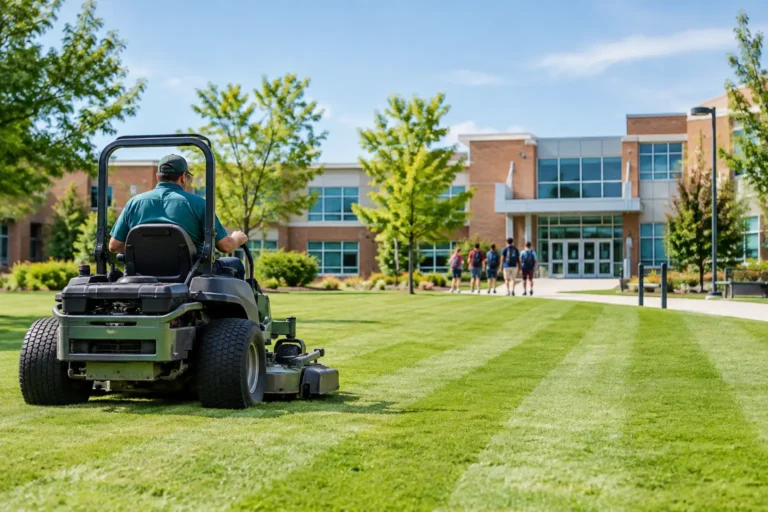
For broad lawns, acreage, commercial grounds, and open sections, ride-on mowing offers a practical way to maintain a presentable property without losing valuable time. It is particularly helpful where the grassed area is too large for a standard home mower or where reliable timing matters.
Prime Ride-On Mowing provides one-off, casual, and scheduled mowing for suitable larger properties across Tauranga and Western Bay of Plenty. Whether you are in Te Puna, Oropi, Maketu, or another nearby area, the first step is assessing the land, access, grass condition, and the result you need.
A mowing schedule should make property care easier, not create another job to manage. When the grass starts moving again, arrange the next cut before it becomes a bigger task and enjoy a tidier property without giving up your weekend.