
Commercial Grounds Maintenance That Stays Tidy
A commercial site can look well managed or neglected before anyone reaches the front door. Long grass around buildings, shared accessways, school fields, vacant sections, and orchard edges quickly changes how tenants, customers, staff, and visitors see a property. Reliable commercial grounds maintenance gives larger grassed areas a consistent, tidy appearance without asking your team to spend valuable time on mowing.
Prime Ride-On Mowing helps commercial property owners and managers across Tauranga and the Western Bay of Plenty, including Te Puna, Oropi, Te Puke, Paengaroa, Aongatete, Omokoroa, Katikati, Omanawa, Pongakawa, and Maketu. Our focus is straightforward: ride-on mowing for larger lawns and properties, completed on a schedule that suits the site.
What commercial grounds maintenance means for your site
For many commercial properties, grounds maintenance begins with keeping grass growth under control. It is the regular work that prevents open areas from becoming overgrown, untidy, difficult to access, or inconvenient for the people who use the site.
The right mowing arrangement depends on the property. A business with a visible roadside frontage may need a regular schedule to maintain a neat presentation. A warehouse or industrial site may only need broad grassed areas kept clear and manageable. A vacant commercial section may require occasional mowing between development, sale, or leasing activity.
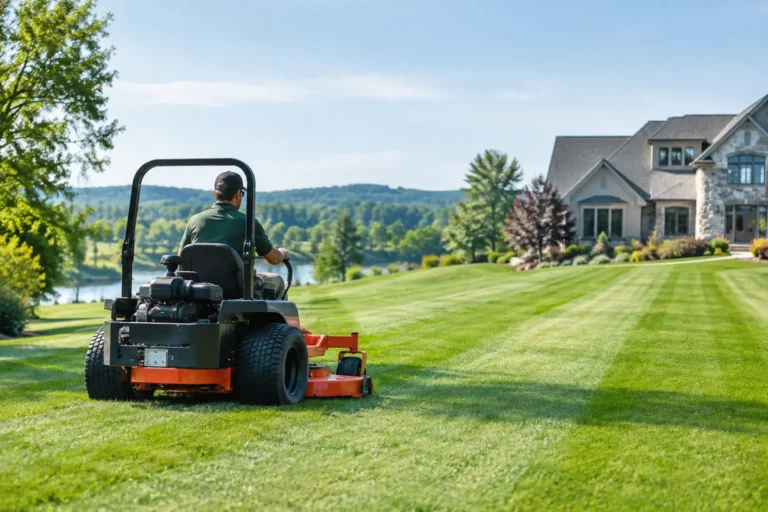
Ride-on mowing is particularly suited to sites with substantial open grass. It can cover larger areas efficiently, making it a practical option for business parks, school grounds, body corporate common areas, orchards, lifestyle properties with commercial use, and larger residential developments. The goal is not to make every site look like a formal garden. It is to keep the grassed areas orderly, usable, and appropriate for the property.
Why regular mowing matters beyond appearance
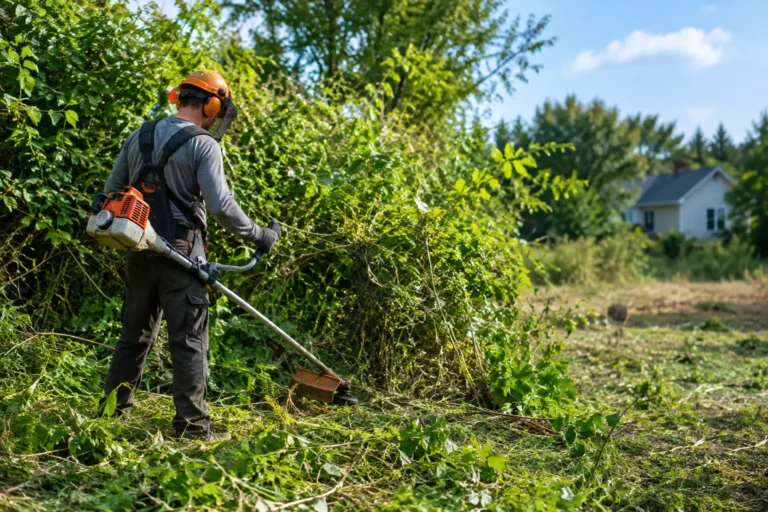
A freshly mowed site creates a better first impression, but the value of regular maintenance goes further. Grass that is left too long can hide uneven ground, rubbish, and low obstacles. It can make a section look vacant even when it is actively managed. During periods of fast growth, putting mowing off for too long can also make the next visit more difficult and affect the finish.
For property managers, a dependable schedule reduces one more task on an already full list. Rather than checking whether the grass has become a problem, you know there is a clear plan in place. This is useful where multiple stakeholders are involved, such as a body corporate committee, school administration, landlord, tenant, or facilities manager.
Regular mowing also helps sites stay ready for ordinary business activity. Customers can park and walk in with confidence, contractors can access open areas more easily, and tenants are less likely to raise concerns about neglected common grounds. The best schedule is not always the most frequent one. It should reflect grass growth, the size of the site, its visibility, and how it is used.
A schedule should match the season and the property
In Tauranga and across the Western Bay of Plenty, grass growth can change quickly with rain, warmth, and seasonal conditions. A fixed schedule may work well for a maintained office site or school, while a vacant section might be better suited to casual or one-off mowing. During faster-growing months, a property may need more frequent attention than it does in drier periods.
This is why it helps to discuss how the grounds are used before setting a mowing plan. A regular service offers consistency and less administration. Casual mowing offers flexibility when requirements change. One-off mowing can bring an overgrown area back under control before an inspection, tenancy, event, or property listing. Each option has a place, depending on the condition and expectations of the site.
Sites that benefit from ride-on mowing
Commercial grounds are not all the same, and neither are the practical issues involved in maintaining them. Before work begins, the important questions are usually about the area to be mowed, access, terrain, obstacles, grass height, and whether people, vehicles, or operations will be on site.
Ride-on mowing is a good fit for larger, reasonably open grassed areas. These may include:
- Business premises with broad lawns, roadside grass, or unused areas around buildings
- Schools with playing fields, open grounds, and large perimeter lawns
- Body corporate properties with shared green spaces and common areas
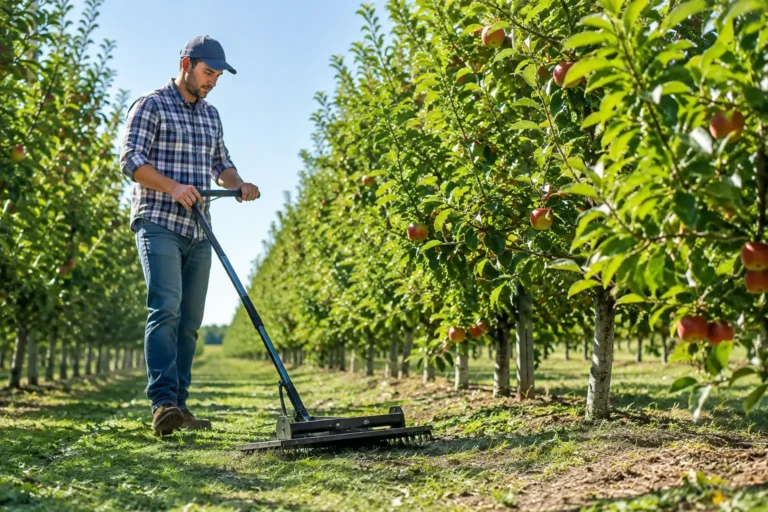
- Orchards and rural businesses with grassed lanes, boundaries, or open blocks
- Commercial and residential vacant sections that need to remain tidy
- Larger rental properties and developments managed by landlords or property managers
Not every area is suitable for a ride-on mower. Very steep ground, tight spaces, heavily obstructed areas, wet conditions, hidden debris, and inaccessible sections may require a different approach or may need to be assessed before a booking is confirmed. Being clear about those conditions upfront helps avoid disruption and sets realistic expectations for the result.
What to look for in a commercial mowing provider
Commercial mowing should be simple to arrange, but it should not be treated as an afterthought. The provider needs to understand the site, turn up as arranged, and communicate clearly if weather or ground conditions affect the work.
Reliability is especially important when mowing is visible to customers, residents, staff, or the public. A missed visit can be obvious within a short time during active growing conditions. Ask how scheduling works, whether regular bookings are available, and what happens if rain makes the ground unsuitable for mowing.
Safety matters as well. A professional assessment should consider access points, slopes, parked vehicles, pedestrian areas, gates, drainage, trees, garden beds, and anything that could be damaged or create a hazard. If the site has operating hours, school drop-off times, tenant access, or delivery traffic, mention this early. A mowing plan can then be arranged around the practical realities of the property.
It is also worth being precise about the result you need. Do you need the grass simply kept short and manageable? Is the area highly visible from the road? Are there regular inspections or lease obligations? Clear expectations help ensure the service suits the site instead of paying for work that is either too limited or more frequent than necessary.
Make grounds maintenance easier to manage
The easiest commercial grounds maintenance arrangement is one that does not create extra work for the person organizing it. Keep a record of preferred access, gate details, site contacts, areas to avoid, and any timing restrictions. If conditions change, such as construction work beginning or a section becoming waterlogged, pass that information on before the next scheduled visit.
For larger properties in Te Puke, Katikati, Omokoroa, or surrounding areas, a regular ride-on mowing plan can be particularly useful when there is no onsite team responsible for grounds. It keeps the property presentable while giving owners and managers one less weekend job and one less contractor to chase.
A well-kept commercial property does not need complicated maintenance to make a positive difference. It needs grassed areas that are assessed properly, mowed reliably, and maintained at a level that fits the way the site is used. If your larger grounds in Tauranga or the Western Bay of Plenty need a practical mowing plan, requesting a free quote is a sensible first step toward keeping them tidy and under control.