Development Site Grass Control That Stays Tidy
A development site can look neglected surprisingly quickly. A few weeks of warm, wet weather can turn a cleared section into long grass that hides rubbish, uneven ground, drains, and boundary markers. Development site grass control gives owners and project managers a simple way to keep land presentable between project stages. Prime Ride-On Mowing helps maintain larger sites throughout Tauranga and the Western Bay of Plenty, including Te Puna, Oropi, Te Puke, Paengaroa, Aongatete, Omokoroa, Katikati, Omanawa, Pongakawa, and Maketu.
For vacant sections, future building sites, subdivision areas, and land held for sale, regular mowing is not just about appearance. It helps make inspections easier, reduces the chance of grass becoming an issue for neighbors, and keeps the property looking cared for while plans, consents, or contractors are being organized.
Why development site grass control matters
Development land often sits in a holding pattern. Earthworks may be complete, a build may be scheduled months away, or a subdivision could be progressing in stages. During that time, grass continues to grow. Once it becomes thick or overgrown, a quick tidy-up is rarely as straightforward as it sounds.
Keeping grass at a manageable height makes it easier to see what is happening on site. Property owners can check fences, accessways, retaining areas, stormwater features, and site boundaries without walking through waist-high growth. Contractors can also assess the ground conditions more clearly before arriving for the next phase of work.
A tidy site also creates a better impression. This matters when a section is being marketed, when nearby residents are watching progress, or when a developer is presenting completed stages to prospective buyers. Freshly mown grass cannot replace proper site maintenance, but it makes a visible difference quickly.
There is also a practical safety benefit. Long grass can hide holes, loose materials, timber offcuts, dumped rubbish, or changes in ground level. Mowing does not remove every risk, and it should never be treated as a substitute for site safety procedures. However, it can improve visibility and make regular checks more manageable.
When a site needs mowing
There is no single mowing schedule for every development site. The right timing depends on the size of the grassed area, the season, rainfall, access, and what is planned next. In the Western Bay of Plenty, growth can be rapid through warmer and wetter periods, especially on fertile or recently disturbed ground.
For a site that is being held vacant, mowing every few weeks during the main growing season may keep grass under control. A property with active trades, stockpiles, or frequent vehicle movements may need mowing less often, but should still be checked regularly. If the goal is sale presentation or a scheduled inspection, a one-off mow shortly beforehand can be a sensible option.
Waiting until grass is extremely long can create extra work. Dense growth takes longer to mow, may require more than one pass, and can make it harder to identify hazards before work begins. Regular cuts are usually the easier and more cost-effective approach when the site will be vacant for an extended period.
Signs it is time to arrange a mow
You do not need to measure the grass with a ruler. A site is usually due for attention when grass begins covering curbs, drains, or boundary pegs; the entrance no longer looks tidy from the road; or it is becoming difficult to walk the area and inspect it safely. Complaints from neighbors or a request from a property manager are also good reasons not to put the job off.
What can be mowed on a development site
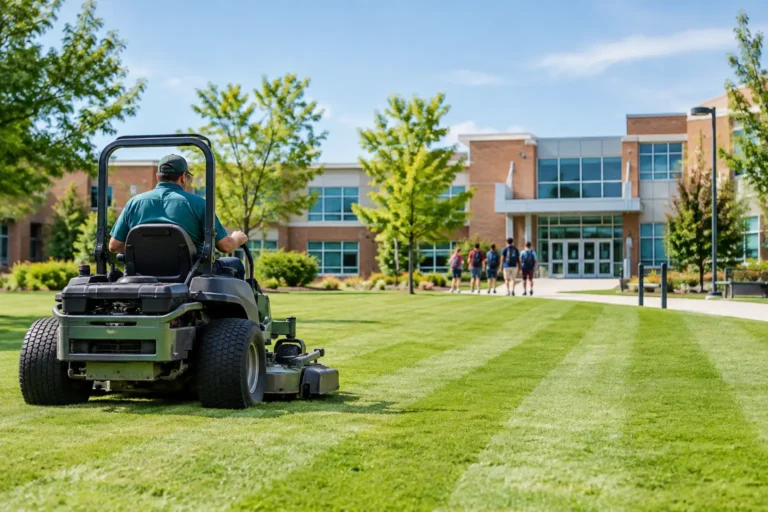
Ride-on mowing is well suited to broad, open grassed areas where the ground is reasonably accessible and clear of obstacles. This can include vacant residential sections, future commercial sites, subdivision reserves, larger building lots, road-frontage grass, and undeveloped land around completed stages.
Before mowing starts, the site needs to be assessed for access and conditions. A mower needs a safe entry point and enough room to operate. Slopes, soft ground, deep ruts, exposed services, large rocks, construction materials, and hidden debris can all affect whether mowing is suitable.
This assessment is particularly important after earthworks. Recently shaped ground can look flat from a distance but may still have loose soil, abrupt drop-offs, or areas that are not ready for machinery. Wet conditions can also change the job. Driving a ride-on mower over saturated ground can leave marks or create access issues, so waiting for drier conditions may be the better choice.
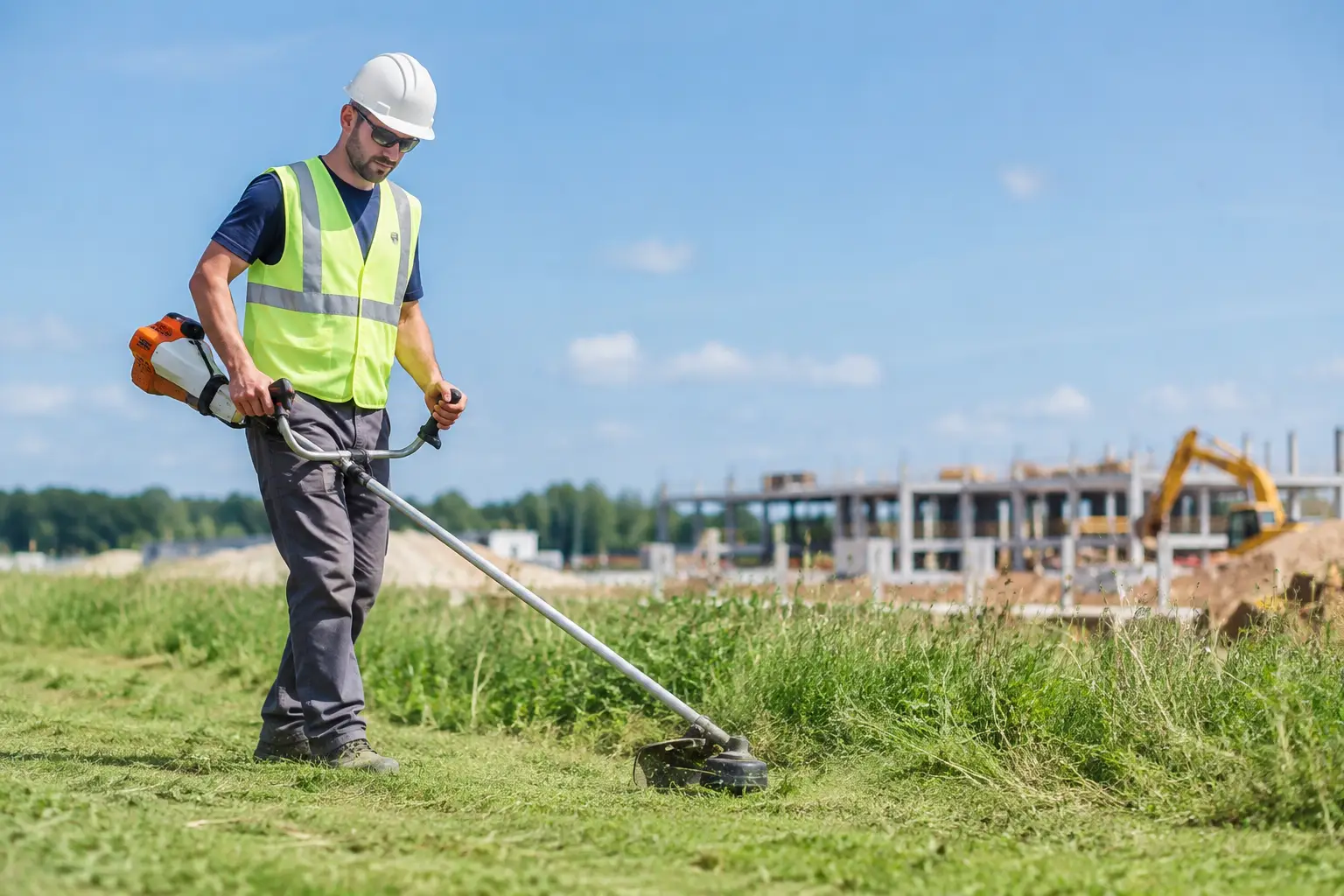
Mowing is generally most effective once the main grassed areas are established and clear. It is not the same as clearing scrub, removing building waste, cutting through heavy woody growth, or leveling a rough site. Being clear about that distinction helps avoid surprises and ensures the right work is arranged for the condition of the land.
A practical approach for owners and project managers
The simplest approach is to build grass maintenance into the project timeline instead of treating it as an emergency job. Consider how long the site will remain between stages, whether it will be visible from the street, and who is responsible for checking it. A regular schedule can suit a long-term vacant section, while casual mowing may be better for a site that only needs attention before inspections or marketing activity.
It also helps to keep the mowing area clear. Ask contractors not to leave pallets, offcuts, cones, temporary fencing pieces, or loose materials in long grass. If there are utility covers, drainage structures, pegs, or other items that need care around them, make these known before the job is booked. Clear communication saves time on the day and supports safe mowing.
For property managers, a consistent mowing plan can make site upkeep easier to coordinate. Rather than chasing a contractor once the grass becomes a problem, scheduled visits provide a more predictable standard of presentation. This can be useful for portfolios with vacant lots across Tauranga, Te Puke, Omokoroa, Katikati, and other parts of the Western Bay of Plenty.
Choosing between one-off and regular mowing
A one-off mow is a good fit when a development site needs a reset. Perhaps the land is going on the market, an engineer is visiting, or the next construction stage is about to start. It can quickly improve the appearance of an open, accessible grassed area.
Regular mowing is often the better choice when land will sit vacant for several months or more. Grass is kept at a manageable height, site checks are easier, and the property is less likely to look forgotten. The exact interval should reflect seasonal growth and the standard you want to maintain. A highly visible corner site may need more frequent attention than a screened section with little foot traffic.
Cost is part of the decision, but so is timing. In many cases, several manageable cuts are more practical than letting vegetation become heavy and trying to deal with it all at once. The best option depends on the ground, the grass height, access, and the next milestone for the site.
Reliable mowing for larger grassed areas
Development sites are rarely convenient little lawns. They may have wide open areas, changing access, uneven contours, and periods when work needs to be completed around other contractors. That is why the right equipment and a site-specific assessment matter.
Prime Ride-On Mowing provides mowing for larger grassed properties and vacant sections, with one-off, casual, and regular options available. Work is best suited to sites where the ground and access can be assessed beforehand and where grassed areas are clear enough for safe ride-on mowing.
Whether you are overseeing a single vacant lot in Oropi or Pongakawa, managing a subdivision stage near Aongatete or Paengaroa, or holding land in Maketu, Omanawa, Te Puna, or Tauranga, a well-timed mow can keep the site looking orderly while the next step takes shape.
If grass is starting to hide the condition of your development site, arrange a quote before it becomes a bigger job. A quick site assessment can confirm whether ride-on mowing is suitable and help set a maintenance plan that fits the way your project is moving.