
When to Book Paddock Topping Bay of Plenty
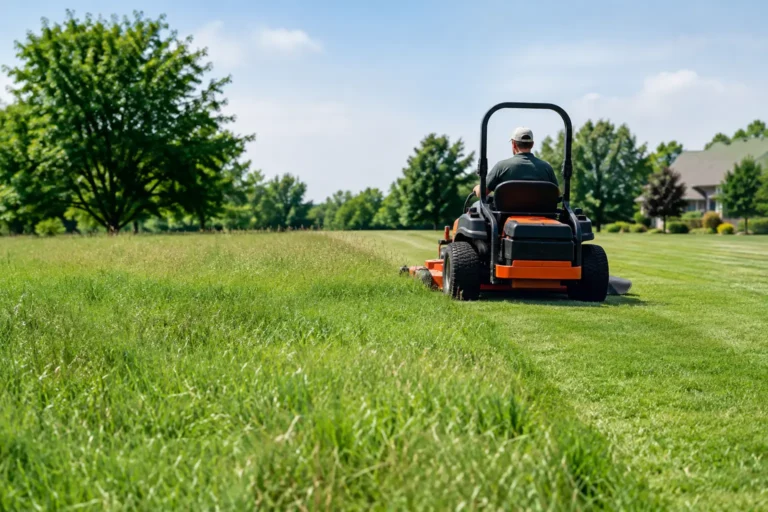
A paddock can look manageable one month and completely different the next. Fast seasonal growth, neglected corners, and long grass around fences can quickly make a larger property feel untidy and difficult to maintain. Paddock topping Bay of Plenty property owners rely on is a practical way to bring grass back under control across lifestyle blocks, orchards, vacant sections, and larger residential or commercial sites.
For property owners in Tauranga and the wider Western Bay of Plenty – including Te Puna, Oropi, Te Puke, Paengaroa, Aongatete, Omokoroa, Katikati, Omanawa, Pongakawa, and Maketu – the right timing makes a noticeable difference. Topping is not about creating a perfect lawn finish. It is about keeping larger grassed areas neat, accessible, and easier to manage without sacrificing every weekend to mowing.
What Paddock Topping Is Designed to Do
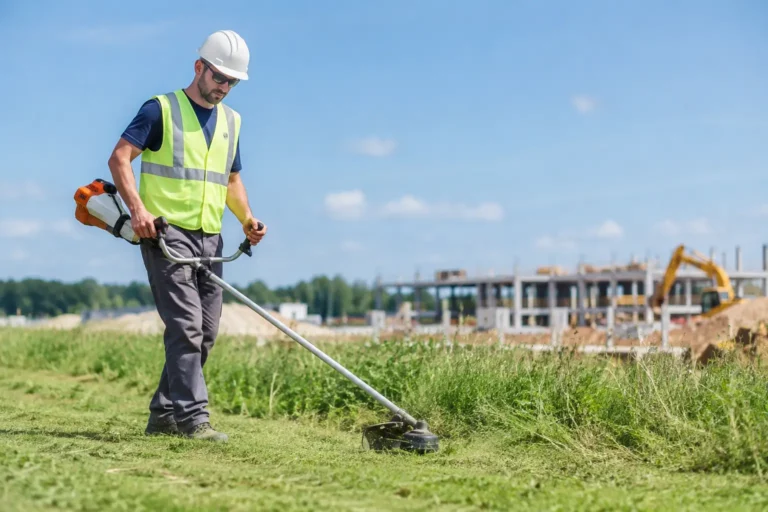
Paddock topping is a cut for longer grass and rougher grassed areas. It is commonly used where a standard push mower is not practical and where the goal is to reduce height, tidy the site, and prevent grass from becoming dense and unruly.
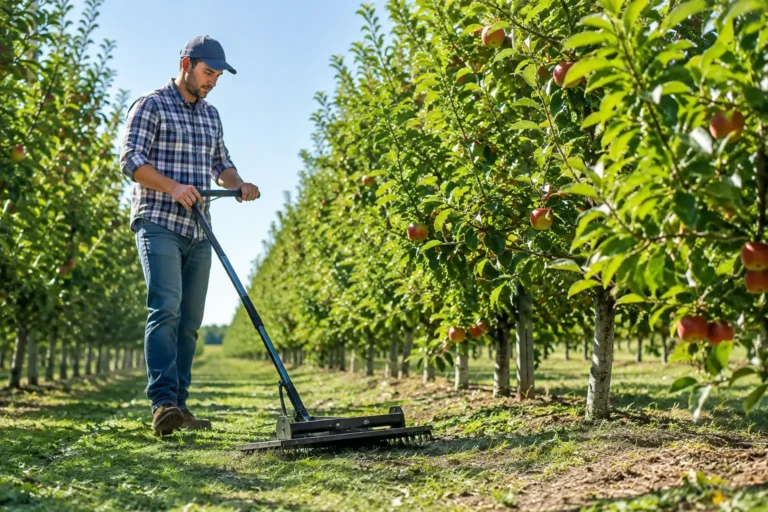
On a lifestyle block, this might mean cutting down grass that has grown too long between regular maintenance visits. On an orchard or rural property, it can mean tidying grassed lanes, boundary areas, open spaces around sheds, or unused parts of the site. For landlords and property managers, topping can also help keep a vacant section presentable while longer-term plans are being made.
The visible result is a cleaner, more maintained property. Just as importantly, regular cutting can make it easier to inspect fences, spot dumped debris, access buildings, and keep grass from encroaching on driveways and working areas.
Topping Is Different From Finish Mowing
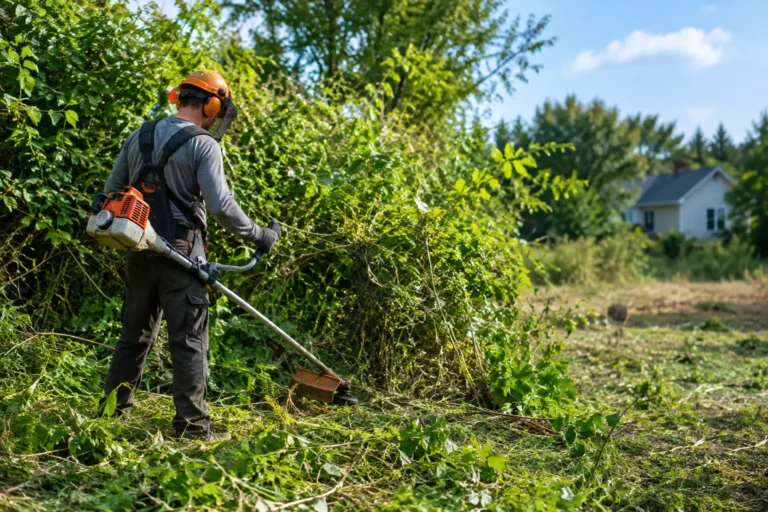
It helps to set the right expectation before booking. A large paddock with long, uneven grass will not look like a closely cut suburban lawn after one pass. The result depends on grass length, ground conditions, the terrain, and whether the area has been maintained recently.
Finish mowing is suited to regularly cut lawns where a more even, shorter appearance is wanted. Paddock topping is better suited to grass that is longer, coarser, or growing across larger areas. In many cases, an initial tidy-up cut followed by regular ride-on mowing is the most practical approach for keeping a property looking consistently cared for.
When to Arrange Paddock Topping in Bay of Plenty
The best time to top a paddock is usually before the grass becomes so long that it is difficult to cut cleanly and efficiently. This is especially relevant during periods of strong growth, when a few missed mowing cycles can turn a manageable area into a much larger job.
If you are starting to lose clear access around sheds, water tanks, fence lines, or orchard rows, it is a good time to arrange a site assessment. The same applies if you are preparing a property for an inspection, tenancy change, sale, contractor visit, or family event. A tidy paddock makes the whole site feel more organized.
There are also practical reasons not to leave it too long. Long grass can hide holes, branches, old wire, rocks, and other hazards. It can hold moisture, restrict visibility, and make routine property checks harder. Topping does not remove every risk, but it makes the area easier to see and work around.
Regular Maintenance Saves the Bigger Catch-Up Job
One-off paddock topping is useful when grass has already got away on you. However, regular maintenance is often the easier option once the site is back under control. Scheduled mowing keeps grass at a more workable height, reduces the need for heavy catch-up cuts, and gives the property a tidier appearance throughout the year.
The right schedule depends on the property. A large residential lawn may need more frequent mowing than an open paddock used less often. Orchard grounds may need mowing planned around access and site activity. A vacant section may only need occasional attention. There is no one schedule that suits every property, which is why the site and its intended use should guide the plan.
Site Conditions That Need Checking First
Before ride-on mowing begins, the area needs to be suitable for the equipment and safe to access. A quick look at the property beforehand helps avoid delays and protects both the site and the operator.
Wet ground is one of the main considerations. Heavy machinery on soft or saturated ground can leave ruts, compact soil, or lose traction on slopes. If recent rain has made the paddock too wet, waiting for firmer conditions is often the better decision. It may be inconvenient, but it is preferable to damaging the ground or creating an unsafe working situation.
Long grass can also conceal obstacles. Property owners can help by removing loose items where possible and pointing out known hazards such as irrigation equipment, drainage covers, shallow ditches, buried services, stumps, or uneven ground. Clear communication at the start makes for a smoother job.
The following conditions are particularly worth discussing before booking:
- Steep slopes, soft ground, deep wheel ruts, and boggy patches
- Long grass hiding wire, rubbish, rocks, timber, or machinery parts
- Low branches, narrow gates, tight accessways, and overhead obstacles
- Stock, pets, vehicles, or people needing to be clear of the work area
Not every site will be appropriate for ride-on equipment, and some areas may need to be excluded. Being clear about that upfront is part of safe, reliable service – not a reason to overpromise.
Who Benefits From Paddock Topping?
Lifestyle block owners are often the first people to think of paddock topping, but the service suits a wide range of larger properties. Homeowners with extensive lawns may need help after a busy season or when their own mower is not suited to the size of the job. Orchard owners can use regular mowing to keep open grassed areas presentable and accessible.
Schools, businesses, body corporates, and commercial property managers also benefit where grounds include larger grassed spaces that need dependable maintenance. A well-kept site creates a better first impression and reduces the pressure on staff, tenants, or owners to find time for a job that needs the right equipment.
For landlords, keeping long grass under control is a simple way to maintain the appearance of a rental or vacant property. It can also make site visits, contractor access, and future upkeep easier. The goal is straightforward: keep grassed areas neat without turning mowing into another full-time responsibility.
A Practical Approach for Larger Properties
The most effective paddock maintenance plan starts with the condition of the grass, not a guess at how long the job should take. A recently maintained flat area may be suitable for regular ride-on mowing. A long-neglected paddock with hidden obstacles, steep terrain, or wet ground may need a different approach or may not be suitable until conditions improve.
Prime Ride-On Mowing provides a practical assessment for larger grassed areas across Western Bay of Plenty. The focus is on understanding the property type, access, ground conditions, and the finish you need, then recommending a realistic one-off, casual, or scheduled mowing option.
If your grass is getting ahead of you in Te Puna, Oropi, Te Puke, Paengaroa, Aongatete, Omokoroa, Katikati, Omanawa, Pongakawa, Maketu, Tauranga, or nearby areas, it is worth arranging a quote before the next growth spurt. A well-timed cut can turn an overgrown paddock back into a space that is easier to use, check, and enjoy.