
Orchard Mowing Costs for Western Bay Properties
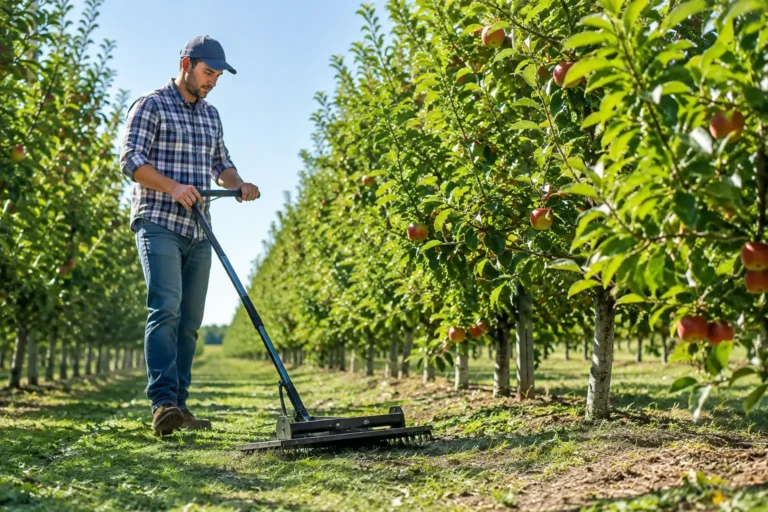
A tidy orchard floor does more than improve the look of a property. It helps maintain access around trees, reduces long grass around work areas, and makes the whole site easier to manage. Orchard mowing costs vary from property to property because no two orchard blocks have the same terrain, tree layout, grass growth, or access. For orchard owners across Te Puna, Oropi, Te Puke, Paengaroa, Aongatete, Omokoroa, Katikati, Omanawa, Pongakawa, Maketu, Tauranga, and the wider Western Bay of Plenty, a clear quote starts with the practical conditions on the ground.
The lowest price is not always the most useful price. A mowing service needs suitable equipment, safe access, and enough time to complete the work properly without damaging trees, irrigation equipment, fences, or uneven ground. Understanding what affects the price makes it easier to compare quotes and choose a mowing plan that keeps the grass under control without creating extra work later.
What affects orchard mowing costs?
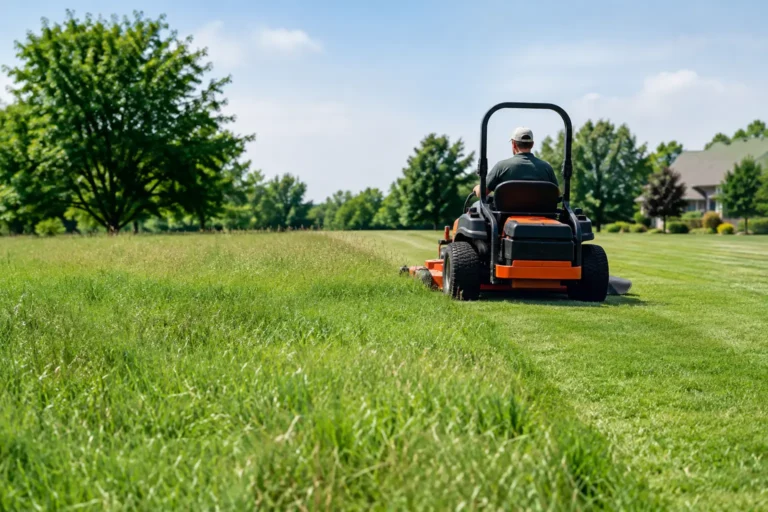
The size of the grassed area is an obvious starting point, but it is only part of the picture. A large, open orchard block with firm, level ground can often be mowed efficiently with ride-on equipment. A smaller block may take longer if it has tight rows, obstacles, steep sections, drainage channels, or separate grassed areas that require repeated setup and maneuvering.
Grass height and density also have a direct effect on the job. Grass that has been regularly maintained is generally quicker and cleaner to mow than heavy, overgrown grass. Long grass can hide hazards such as fallen branches, irrigation lines, holes, rocks, and discarded materials. It may need a slower first cut or more than one pass to achieve a neat result.
The condition of the ground matters just as much. Wet, soft, rutted, or sloping areas can limit where a ride-on mower can safely operate. In the Western Bay of Plenty, seasonal rain and strong grass growth can quickly change the condition of an orchard floor. A contractor may need to postpone a visit after heavy rain, use a different mowing approach, or exclude unsafe areas until they are suitable. This protects the ground, the equipment, and people working on the property.
Access is another major factor. A mower needs a safe way onto the site and between work areas. Narrow gateways, low branches, parked vehicles, locked access points, and livestock can all add time or restrict the equipment that can be used. When requesting a quote, it helps to explain where the entry is, whether gates are wide enough for a ride-on mower, and whether there are any areas that cannot be accessed by vehicle.
The difference between one-off and regular mowing
A one-off orchard mow is often priced differently from a scheduled service. When grass has been left for several weeks or months, the first visit can take longer because the mower must work more slowly and carefully. There may also be more debris to avoid and a greater chance of hidden obstacles.
Regular mowing usually makes ongoing maintenance simpler. Keeping the grass at a manageable height helps create a more consistent finish, reduces the workload at each visit, and supports easier access for orchard staff, contractors, inspections, and maintenance tasks. It can also help prevent the property from looking neglected between busy periods.
The right schedule depends on grass growth, rainfall, soil conditions, tree spacing, and how the property is used. Some orchard owners need mowing more often through the main growing season and less often during slower periods. Others prefer a regular schedule so the work is handled without needing to monitor grass height or arrange a visit at short notice.
There is no single schedule that suits every orchard. A property near Te Puke or Paengaroa with fast seasonal growth may need a different approach from a drier or more exposed block near Katikati, Omokoroa, or Maketu. A site assessment helps establish a practical frequency rather than guessing based on acreage alone.
What a clear orchard mowing quote should cover
A useful quote should explain the areas included, the type of mowing required, and any conditions that could affect the work. It should not leave you wondering whether the price covers the full orchard floor, only selected rows, roadside edges, shelter belts, or separate lawns around sheds and staff facilities.
Before work begins, it is sensible to identify features that need care. These may include young trees, low branches, irrigation systems, electric fences, water troughs, drainage ditches, culverts, beehives, stock, or areas where the ground is known to be soft. Clear communication lets the mowing operator plan the safest route and avoid preventable delays.
A quote may also distinguish between mowing and other vegetation work. Ride-on mowing is well suited to larger grassed areas with safe access and manageable ground conditions. It is not the same as clearing dense scrub, cutting woody growth, trimming around every individual tree, or removing green waste. Being specific about what you want maintained avoids an unrealistic expectation and helps keep the price fair.
For commercial orchards, it can be helpful to state whether work needs to fit around harvest activity, staff movements, deliveries, or restricted operating hours. For lifestyle orchards, the priorities may be different: keeping the property neat, making paths accessible, and freeing up weekends for family time rather than hours on a mower.
Why site access and safety should not be treated as extras
It can be tempting to compare orchard mowing costs by looking only at a total dollar amount. However, safe and reliable mowing depends on more than the size of the block. An operator needs room to turn, visibility around trees and obstacles, stable ground, and confidence that there are no hidden hazards in the grass.
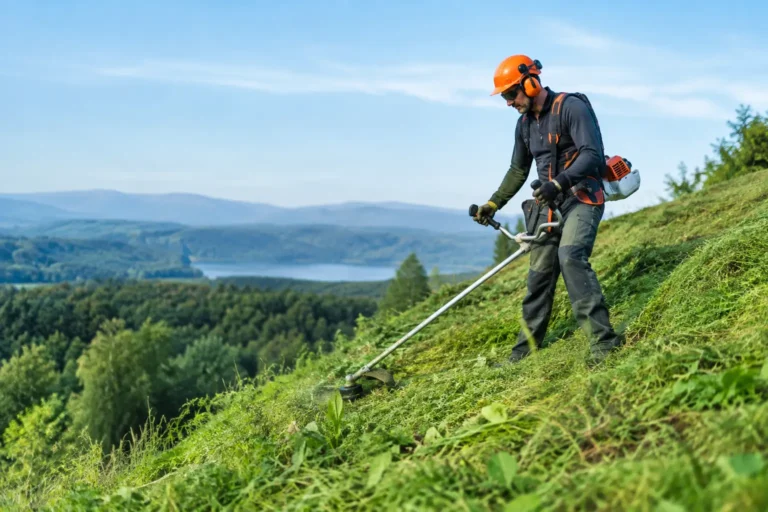
This is particularly relevant on orchard properties with varied terrain. Slopes, wet hollows, uneven headlands, and narrow row spacing may mean some areas are slower to mow or unsuitable for ride-on equipment. A professional assessment should be honest about those limits. Promising to mow every area regardless of conditions is not a good outcome if it risks damage to the site or creates an unsafe situation.
Property owners can help keep visits efficient by clearing loose objects before mowing, securing animals, unlocking gates, and letting the contractor know about recent changes to the property. If irrigation has been moved, a branch has fallen, or a section has become boggy, a quick update can prevent wasted time and protect equipment.
How to keep ongoing costs manageable
The most practical way to manage mowing costs is to avoid letting grass become an urgent problem. A regular service can be planned around the season, allowing the work to be completed when conditions are suitable rather than when growth is already heavy and access is difficult.
It also helps to group nearby grassed areas into the same visit where possible. For example, an orchard floor, driveway verge, lawn around a packing shed, and open area near a dwelling may be easier to maintain together if they can all be accessed safely. On the other hand, separating delicate, steep, or obstructed areas from the main mowing work gives a more accurate picture of what ride-on mowing can reasonably cover.
Good access and straightforward instructions make a difference over time. A dependable mowing schedule is not about cutting grass as fast as possible. It is about keeping the property presentable and usable with a method that suits the layout, the season, and the condition of the land.
For orchard owners in Tauranga and throughout the Western Bay of Plenty, the best next step is a site-specific quote based on the grassed areas you actually need maintained. Prime Ride-On Mowing can assess access, terrain, grass conditions, and mowing frequency so you know what is included before work begins. A clear plan means less time spent worrying about overgrown grass and more time focused on the orchard and property itself.