Body Corporate Mowing Service for Tidy Grounds
Shared grounds are one of the first things residents, tenants, and visitors notice. When lawns become long, uneven, or untidy, the whole property can feel less cared for, even when the buildings themselves are well managed. A reliable body corporate mowing service gives committees and property managers a practical way to keep larger grassed areas looking neat without relying on residents or scrambling to arrange a last-minute cut.
For body corporates across Tauranga and the Western Bay of Plenty, including Te Puna, Oropi, Te Puke, Paengaroa, Aongatete, Omokoroa, Katikati, Omanawa, Pongakawa, and Maketu, regular mowing helps maintain the presentation, access, and day-to-day usability of common areas. The right service is not simply about cutting grass. It is about dependable scheduling, clear communication, and equipment suited to the scale and conditions of the site.
What a body corporate mowing service covers
Body corporate grounds can vary widely. One property may have open lawns around townhouse buildings, while another has long roadside verges, shared access areas, recreation spaces, drainage edges, or vacant grassed sections. A mowing plan should be based on the areas that need attention, how quickly the grass grows, and how the property is used.
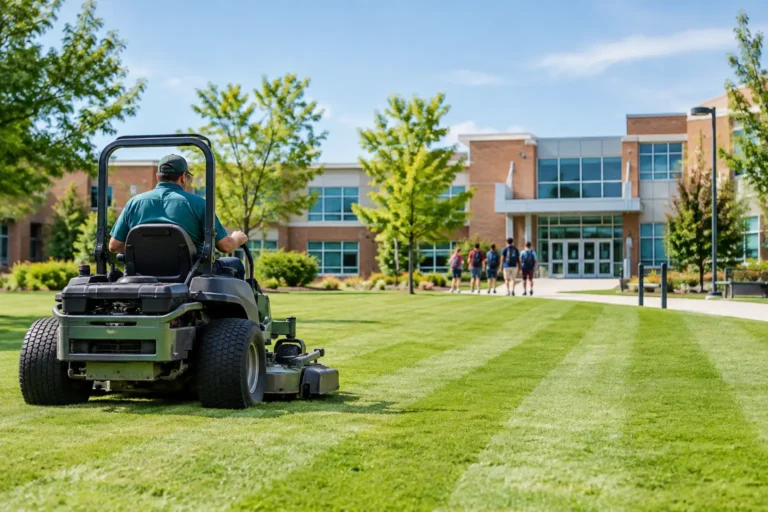
Ride-on mowing is particularly useful for larger, open grassed areas where walk-behind equipment would take too long. It can keep lawns maintained efficiently while helping property managers organize regular grounds care around the needs of residents and contractors.
Before work begins, it makes sense to assess practical site details. These include the size and shape of the lawns, slopes, gateways, parked vehicles, fixed obstacles, soft ground, and whether there are narrow areas that need a different mowing approach. A clear assessment helps avoid assumptions and ensures the equipment is suitable for the work.
Common areas that benefit from regular mowing
A scheduled service can be arranged for shared entrance lawns, lawn areas around units, common gardens with open grass, larger verges, communal recreation spaces, and undeveloped sections within the property. Some sites also need mowing around commercial units, schools, orchards, or neighboring lifestyle properties where presentation and safe access matter.
The frequency depends on the season and the expected finish. During periods of fast growth, grass may need attention more often to prevent it from becoming heavy and difficult to manage. In slower-growing months, a less frequent schedule may be enough. There is no benefit in paying for a schedule that does not match the property, but leaving grass too long can make the next visit more time-consuming and reduce the tidy result residents expect.
Why scheduled mowing makes property management easier
For a body corporate committee, mowing is rarely the only task on the list. There may be maintenance requests, contractor coordination, budgets, resident communication, compliance matters, and meetings to manage. A regular mowing arrangement removes one recurring concern from that workload.
Instead of checking whether the lawns need attention and then trying to find availability, the service can be planned in advance. That creates a more consistent appearance and gives residents a clear expectation that shared grounds are being looked after.
It also helps reduce the pressure on volunteers. Asking committee members or residents to mow common areas can create problems around time, access to equipment, quality of work, and responsibility if something goes wrong. Professional mowing keeps the arrangement straightforward: the scope is agreed, the work is scheduled, and the grounds receive regular attention.
For property managers handling several sites around Tauranga, Omokoroa, Katikati, or Te Puke, reliability is especially valuable. A provider that understands the property layout and mowing requirements can return on schedule without the need to re-explain the job at every visit.
A neat lawn supports safer, more usable grounds
Appearance matters, but mowing also has practical value. Long grass can cover uneven ground, debris, edging, and other hazards. It can make paths, parking edges, mail areas, and shared outdoor spaces feel less accessible. Keeping open areas maintained makes it easier for residents, visitors, and maintenance teams to see where they are walking and using the property.
Mowing does have limits. Very wet ground can be damaged by machinery, especially where drainage is poor or the soil is soft. Steep slopes, tight spaces, low branches, hidden rocks, and vehicles parked on lawns may also affect what can be safely completed on a visit. A professional service should be open about these conditions rather than promising a result that is not realistic for the site.
Good communication is important when weather changes the plan. Rescheduling a mow may be the sensible option if working would leave ruts or damage turf. While it can be frustrating to wait, protecting the lawn often produces a better result than forcing equipment onto unsuitable ground.
What to look for when choosing a mowing provider
The lowest quote is not always the best value for a body corporate. Shared grounds need regular attention over time, so consistency and clear expectations usually matter more than a one-off low price.
Ask whether the provider works on larger properties and has suitable ride-on mowing equipment. Confirm what grassed areas are included, how often they will be mowed, and whether the schedule can be adjusted as growth changes through the year. It is also helpful to discuss site access, resident parking, gates, and any times when mowing would be disruptive.
A good provider will take the time to understand the layout before setting a price or schedule. They should be clear about what is included and raise any conditions that could affect the job. That might include overgrown grass, slopes, wet areas, obstacles, or sections that need separate equipment or more manual work.
For larger lawns, vacant sections, and open common grounds, ride-on mowing can provide an efficient and tidy finish. However, it is not the right tool for every corner of every property. A realistic service plan recognizes where ride-on mowing works best and where access or site conditions require another approach.
Planning a mowing schedule for your property
The best schedule starts with the property rather than a standard calendar. A smaller townhouse complex with tidy, irrigated lawns may need a different frequency from a larger development with broad roadside grass and common spaces. Properties in exposed areas around Paengaroa, Pongakawa, or Maketu may also experience different growing conditions than more sheltered sites.
Consider how quickly the lawn grows, how visible it is from the street, and how often residents use the grounds. Entrance areas and shared recreation lawns often need a more polished appearance than less visible boundary strips. If there is an upcoming inspection, annual meeting, property sale, or resident event, arranging a mow beforehand can help the site present well.
One-off mowing can be useful when grounds have been missed, a contractor has changed, or a property needs to be brought back under control. Once the grass is manageable, regular scheduled mowing is usually the easier option. It keeps the workload predictable and avoids the higher effort that often comes with long, overgrown grass.
Clear communication keeps shared sites running smoothly
Body corporate grounds involve more stakeholders than a private lawn. Residents need to know when equipment may be operating nearby, managers need confidence that agreed work will be completed, and mowing contractors need safe access to the areas included in the service.
Simple arrangements make a difference. Keep gates unlocked where appropriate, advise residents to move vehicles away from grassed areas when needed, and let the mowing provider know about new landscaping, building work, or access changes. If a site has particular quiet times or safety requirements, discuss them before the schedule is confirmed.
Prime Ride-On Mowing provides ride-on mowing for larger body corporate grounds, commercial properties, lifestyle blocks, and other substantial grassed areas across Tauranga and the Western Bay of Plenty. The focus is on practical site assessment, dependable mowing, and keeping the difficult grass under control so property managers and committees have one less job to chase.
Well-maintained shared lawns help a property feel cared for every time someone drives in, walks home, or shows a visitor around. If your grounds are becoming another item on an already busy management list, a clear mowing plan and a free quote can make regular upkeep much simpler.