
Retirement Village Grounds Mowing That Stays Safe
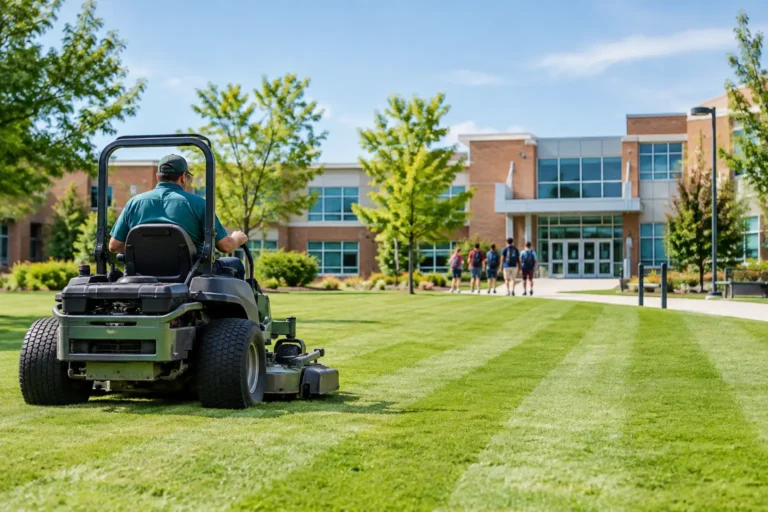
A retirement village lawn is more than open space. It is where residents walk to visit neighbors, sit in the sun, welcome family, and enjoy the grounds they call home. Reliable retirement village grounds mowing helps keep those shared areas neat, safe, and pleasant without placing extra work on village staff or residents. For villages across Tauranga and the Western Bay of Plenty, a regular mowing plan can make a visible difference week after week.
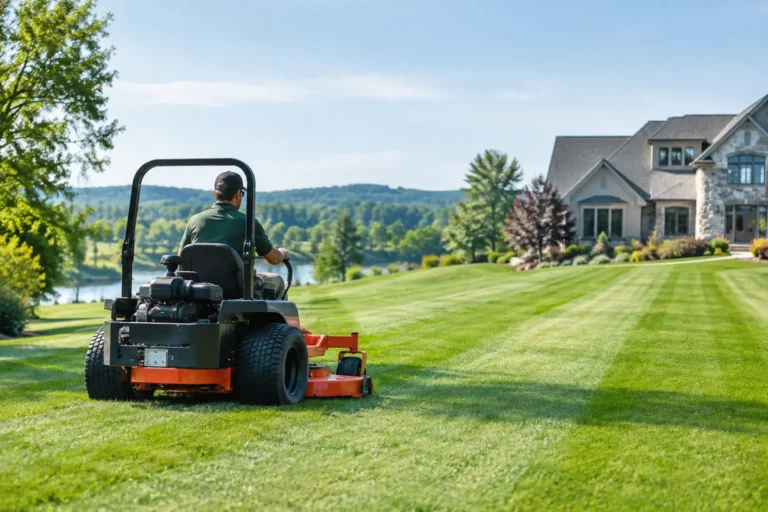
Large village grounds need more than a quick cut when the grass gets long. Lawns around units, communal buildings, driveways, pathways, garden edges, and entrance areas each have different practical needs. The right approach is regular, well-planned ride-on mowing that suits the property layout, grass growth, access, and the people using the grounds.
Why regular mowing matters in a retirement village
Well-maintained grass gives residents and visitors an immediate sense that the village is cared for. A tidy entrance, clean lawn edges, and evenly cut communal spaces contribute to a welcoming first impression. More importantly, regular mowing helps keep grass from becoming long, uneven, or difficult to walk beside.
Long grass can hide uneven ground, dropped branches, irrigation components, and other hazards. It can also make paths, parking areas, and building edges look neglected. While mowing does not solve every grounds safety issue, keeping grass at a manageable height makes routine inspections easier and helps staff spot concerns sooner.
There is also a practical maintenance benefit. Grass that is cut regularly is generally easier to manage than grass left to grow too long between visits. Waiting until lawns are overgrown can mean a slower job, a heavier cut, and more clippings left behind. A consistent schedule keeps the work more predictable and the grounds looking presentable throughout the season.
Retirement village grounds mowing needs a site plan
No two retirement villages have the same layout. Some have wide, open lawns around common facilities. Others have smaller grassed areas between villas, tight access near car parks, or sloping sections that require careful assessment. Before regular mowing begins, it helps to walk through the site and identify what is suitable for ride-on equipment, what needs extra care, and where pedestrian activity is highest.
A practical mowing plan considers access points, gates, parked vehicles, garden beds, trees, irrigation heads, outdoor furniture, utility covers, and changes in ground level. It should also account for areas that may be soft after rain. Ride-on mowing is highly efficient on larger open lawns, but it is not the right tool for every narrow strip or awkward corner. Being clear about those limits prevents damage and sets realistic expectations from the start.
For larger village properties, the goal is not simply to mow quickly. It is to complete the work efficiently while treating the site with care. That means choosing suitable mowing routes, avoiding unnecessary passes over sensitive turf, and working around residents, visitors, and contractors respectfully.
Timing work around village life
Retirement villages are active communities. Residents may be walking, gardening, meeting visitors, or attending activities throughout the day. Mowing should be scheduled with that in mind.
A reliable contractor will communicate clearly about regular service days where possible and adjust when there are events, maintenance projects, or unusually busy periods. Weather also affects timing. Heavy rain can leave lawns too soft for machinery, while fast spring growth may require a shorter interval between cuts. Flexibility matters, but so does consistency. Residents and managers should know the grounds are being looked after rather than wondering when the next mow will happen.
Safety comes before speed
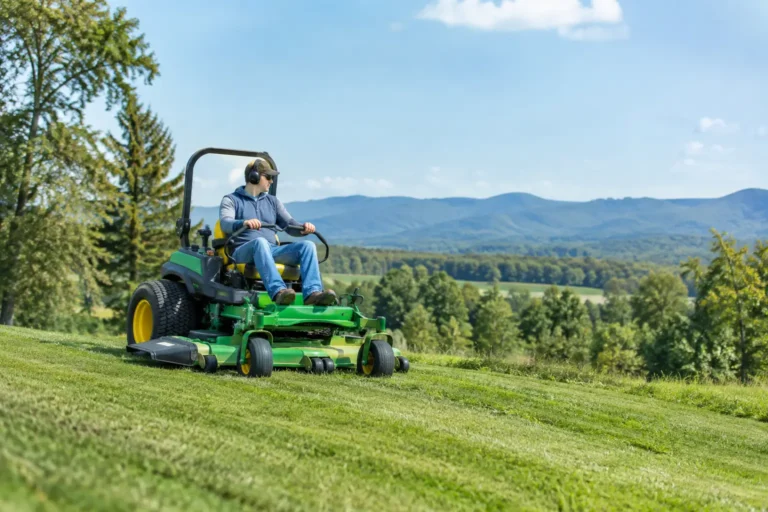
Ride-on mowers are an effective solution for large grassed areas, but they require sensible operating practices. Before mowing, the ground should be checked for loose items, branches, stones, toys, hoses, and other debris that could be thrown by mower blades. Areas with pedestrians, parked cars, open windows, or nearby outdoor seating need particular attention.
Slopes, wet ground, drainage channels, and uneven surfaces also need to be assessed. Some areas may be appropriate for a ride-on mower only in dry conditions. Others may need to be excluded from the mowing route altogether. A professional service should not force equipment into a space that is unsuitable just to finish faster.
Visibility is another consideration. Operators need enough room to work safely around buildings, gardens, and vehicles. In busy shared spaces, it may be safer to mow at quieter times or complete the grounds in sections. This is especially relevant at villages with regular visitor traffic or close-set homes.
Choosing the right mowing frequency
There is no single schedule that suits every village. Growth rates change with the season, rainfall, soil conditions, and the type of grass on site. In the Western Bay of Plenty, grass can grow quickly during warmer and wetter periods, while growth often slows during drier or cooler weather.
For many retirement villages, regular scheduled mowing provides the best result because it avoids large swings between neat and overgrown. Weekly or fortnightly mowing may suit actively used lawns during peak growth. A longer interval can work for lower-use areas or during slower seasons, provided the grass is not allowed to get too long.
The best frequency depends on the appearance standard expected by the village, the size of the property, and how the outdoor areas are used. Entrance lawns and communal gathering areas often need closer attention than less visible boundary grass. A good mowing plan can reflect those differences rather than treating every part of the property exactly the same.
What village managers should look for in a mowing service
A suitable contractor for retirement village grounds should understand that reliability is part of the service. The mower arriving when expected, communicating about weather delays, and leaving the site tidy are just as valuable as the quality of the cut.
Look for a provider who can assess larger lawns and explain what work is suitable for ride-on mowing. They should be comfortable working around shared facilities and able to identify access or ground-condition issues before they become a problem. Clear quotes and realistic scope are also useful. For example, mowing broad grassed areas is different from detailed garden maintenance, hedge trimming, or removing large amounts of green waste.
It is worth discussing whether the service is needed as a one-off tidy-up, casual mowing, or a regular schedule. A one-off visit can help bring neglected grounds back under control, but ongoing service is usually the simpler option for villages that want consistent presentation. Regular work also helps the contractor become familiar with the site layout, known hazards, and preferred mowing times.
Keeping large grounds manageable year-round
Village grounds do not stay the same throughout the year. Leaves may build up in autumn, wet patches can appear after prolonged rain, and rapid spring growth can put pressure on maintenance schedules. Regular mowing creates a useful baseline, but managers should still review the property from time to time.
Pay attention to areas where turf is thinning, water is pooling, or mower access is becoming difficult due to landscaping changes. New plantings, repaired paths, construction work, and altered parking arrangements can all affect how the site should be mowed. Letting the mowing provider know about changes early helps avoid interruptions and protects the grounds.
For villages in Te Puna, Oropi, Te Puke, Paengaroa, Aongatete, Omokoroa, Katikati, Omanawa, Pongakawa, Maketu, Tauranga, and surrounding Western Bay of Plenty areas, local weather and property conditions can vary from one site to the next. A service plan should reflect the actual ground conditions, not just a fixed calendar date.
Prime Ride-On Mowing provides ride-on mowing for larger grassed areas where regular, practical maintenance is needed. For retirement village managers, the value is straightforward: less time spent organizing lawn work and more confidence that shared outdoor spaces will be kept tidy.
A well-kept lawn will not solve every property management task, but it makes daily village life more pleasant. When the grass is regularly maintained, paths and communal areas feel clearer, the grounds look cared for, and residents can enjoy the outdoor space without the distraction of overgrown lawns. A clear mowing schedule is a simple way to keep that standard in place.