Contract Mowing Versus In-House for Large Properties
A large lawn can look manageable on Monday and become a time-consuming job by the weekend, especially after a period of wet Western Bay of Plenty weather. For property owners weighing up contract mowing versus in-house mowing, the right choice is rarely just about the cost of a single cut. It is about having the right equipment, enough available people, and a reliable plan to keep grass under control across Tauranga, Te Puna, Oropi, Te Puke, Paengaroa, Aongatete, Omokoroa, Katikati, Omanawa, Pongakawa, Maketu, and surrounding areas.
Contract mowing versus in-house: start with the workload
The size and layout of the grassed area should lead the decision. A compact, flat lawn that takes an hour to mow may suit an in-house arrangement. A lifestyle block, orchard boundary, school field, commercial site, body corporate grounds, or vacant section is different. Once mowing takes several hours, requires more than one machine, or must be completed on a dependable schedule, the job becomes an operational responsibility rather than a simple weekend task.
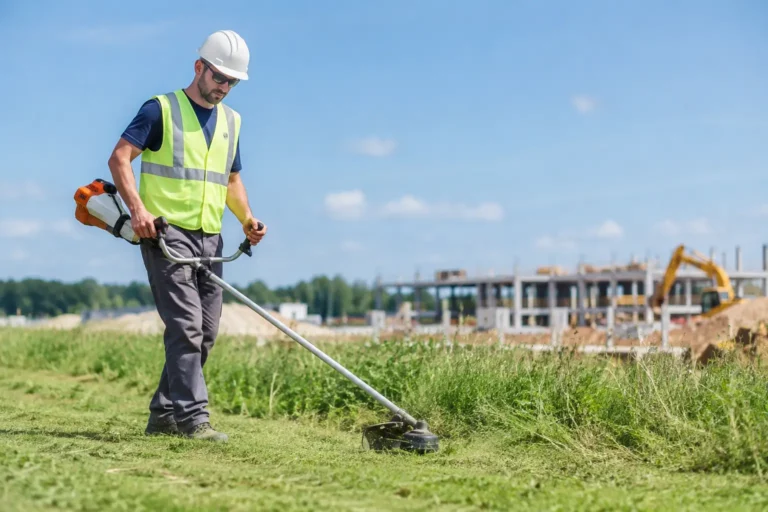
In-house mowing means the owner, staff member, caretaker, or grounds team takes responsibility for the work. That can provide direct control over timing and presentation. It also means someone needs to check the weather, inspect the site, operate the equipment safely, maintain the machines, and make time for mowing when other work is competing for attention.
Contract mowing places those responsibilities with a mowing provider. For many larger properties, this is less about handing off a chore and more about protecting staff time, maintaining a consistent appearance, and avoiding the disruption that follows when grass gets away from you.
The true cost is more than the mower
Buying a ride-on mower is often the first cost people consider. However, a reliable in-house setup also includes fuel, servicing, blades, belts, tire repairs, storage, transport, and replacement when equipment reaches the end of its useful life. A larger property may also need a trimmer, trailer, safety gear, and a backup plan if the primary mower is out of action.
Labor is the other major cost. Even when a staff member is already on payroll, mowing time is still time taken away from maintenance, tenant communication, site supervision, customer service, or core business work. For landlords and property managers, arranging someone to mow can involve follow-up and supervision as well as the work itself.
A contract mowing quote may initially look like a straightforward service expense, but it can be easier to budget for. The price is generally tied to the property, grass volume, access, slope, obstacles, and mowing frequency. There is no surprise repair bill after a wet season, and no need to find a replacement operator when the person who normally mows is unavailable.
That said, in-house mowing can be cost-effective where there is already suitable equipment, a trained operator, and a small enough area to maintain without affecting other duties. It depends on how regularly the site needs attention and whether the internal team can keep up during fast growth periods.
Reliability matters when grass grows quickly
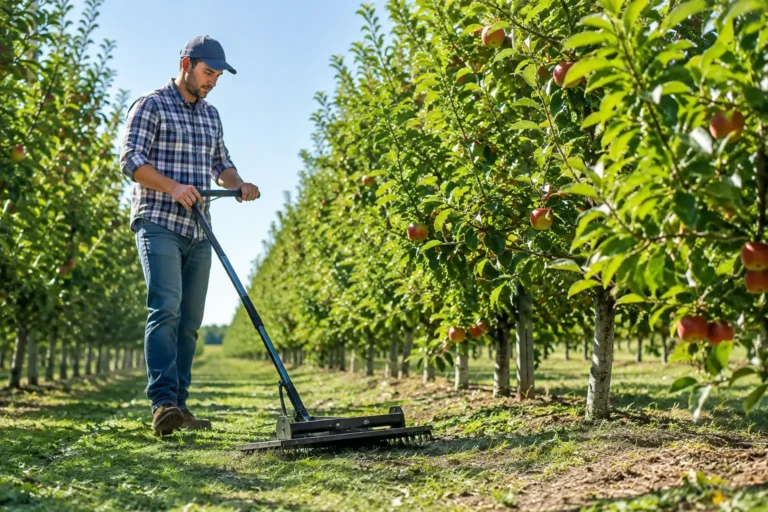
In Te Puke, Paengaroa, Pongakawa, and Maketu, properties can include open lawns, roadside areas, orchard grass, and larger sections that grow at different rates. Waiting until the grass is visibly overgrown before organizing mowing usually makes the next visit slower and more difficult. Tall or damp grass may need a more careful approach, and the finished result can be less tidy than a regularly maintained site.
An in-house plan works best when mowing has a clear owner and a realistic schedule. If it is simply added to a list of jobs for whenever someone has time, it is likely to slip. This is particularly common at commercial sites, schools, and multi-unit properties, where urgent maintenance tasks naturally take priority.
With regular contract mowing, the schedule is set around the property’s needs and adjusted for seasonal growth where appropriate. The benefit is predictability. Residents, visitors, customers, and tenants see grounds that are consistently looked after rather than a cycle of long grass followed by a rushed cut.
Equipment suitability changes the result
Not every mower suits every property. A small domestic mower may be fine for a regular residential lawn, but it is not always practical for acreage, rougher grass, or a large vacant section. Using undersized equipment can turn a manageable job into a long day, place extra strain on the machine, and leave uneven areas behind.
Ride-on mowing is generally suited to larger, accessible grassed areas. Before work begins, the practical questions are about terrain and access: Is the ground firm enough? Are there steep slopes, drainage channels, low branches, hidden obstacles, or soft areas? Can equipment enter safely? Does the property need close mowing around buildings as well as broader open areas?
A capable contractor assesses these conditions before committing to a mowing plan. This matters for lifestyle blocks around Oropi and Omanawa, as well as commercial and residential sites around Omokoroa, Katikati, and Aongatete. The goal is not to promise that every patch can be handled by a ride-on mower. It is to identify the areas that can be maintained safely and efficiently, then set clear expectations for the work.
Safety and accountability should be clear
Mowing equipment is useful, but it is not risk-free. Operators need to watch for people, pets, vehicles, stones, branches, holes, uneven ground, and changing conditions. On shared properties, timing matters too. A body corporate or school needs mowing completed with consideration for residents, students, staff, and visitors.
An in-house arrangement requires clear responsibility for operator training, equipment checks, safe work practices, and reporting faults. This can work well when there is an experienced grounds person and established procedures. It becomes more difficult when mowing is given to whoever happens to be available.
Contract mowing gives property owners one accountable service provider for the scheduled work. A professional contractor should communicate any access issues, site hazards, weather delays, or conditions that affect the planned cut. That clarity is valuable for owners who do not live on the property and for managers responsible for several sites.
When in-house mowing is the better fit
Keeping mowing in-house can make sense for a property with modest, level lawns and frequent on-site staff. It may also suit sites where the mowing standard needs minor touch-ups several times a week, or where a caretaker already has the right equipment and enough time in their role.
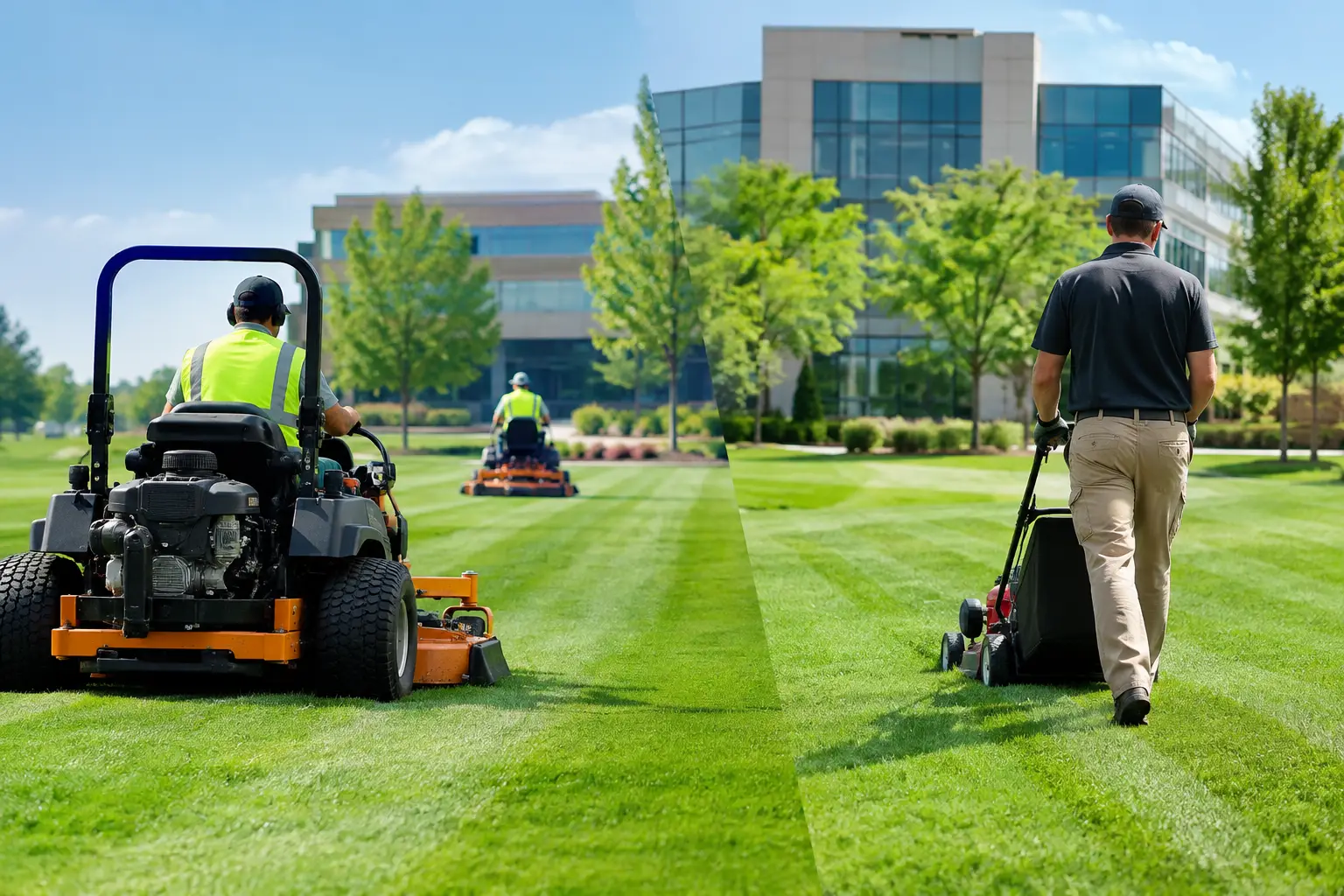
The key is to be realistic. If mowing is regularly postponed, machinery sits waiting for repairs, or staff are working overtime to keep grounds presentable, the in-house option may no longer be saving money. A hybrid approach can also work. An internal team can manage light touch-ups while a contractor handles the larger open areas or seasonal catch-up cuts.
When contract mowing is usually the practical choice
Contract mowing is often the stronger option for larger lawns, lifestyle blocks, acreage, orchards, vacant land, and sites with multiple grassed zones. It is also useful for landlords, property managers, businesses, schools, and body corporates that need consistent maintenance without adding another task to their team.
One-off mowing can help bring an overgrown section back under control before a sale, inspection, tenancy change, or event. Casual mowing suits properties with occasional needs. Regular scheduled mowing is generally best where presentation, access, and grass growth need ongoing attention. Each option should reflect the actual condition and use of the property rather than forcing every site into the same schedule.
For larger properties across Tauranga and the Western Bay of Plenty, the most useful question is not simply whether to own a mower or hire one. Ask who will make sure the grass is cut properly when growth picks up, staff are busy, or the usual operator is away. Prime Ride-On Mowing can assess the accessible grassed areas, explain what is practical for the site, and provide a free quote that gives you a clear plan for keeping the property tidy.