Ride-On Mowing vs Slashing for Larger Properties
A large grassed area can look untidy quickly, especially after a period of rain and warm growing weather. When comparing ride-on mowing vs slashing, the right choice comes down to what is growing, how often the area is maintained, and the result you want to see afterward. For property owners across Te Puna, Oropi, Te Puke, Paengaroa, Aongatete, Omokoroa, Katikati, Omanawa, Pongakawa, Maketu, Tauranga, and the wider Western Bay of Plenty, understanding the difference can save time, prevent unnecessary cost, and help keep land looking cared for.
Ride-on mowing is generally the better option for maintained lawns and grassed areas that need a neat, even finish. Slashing is better suited to long, rough, or overgrown grass where the immediate priority is regaining control. Neither is automatically better in every situation. The condition of the site matters.
Ride-On Mowing vs Slashing: The Main Difference
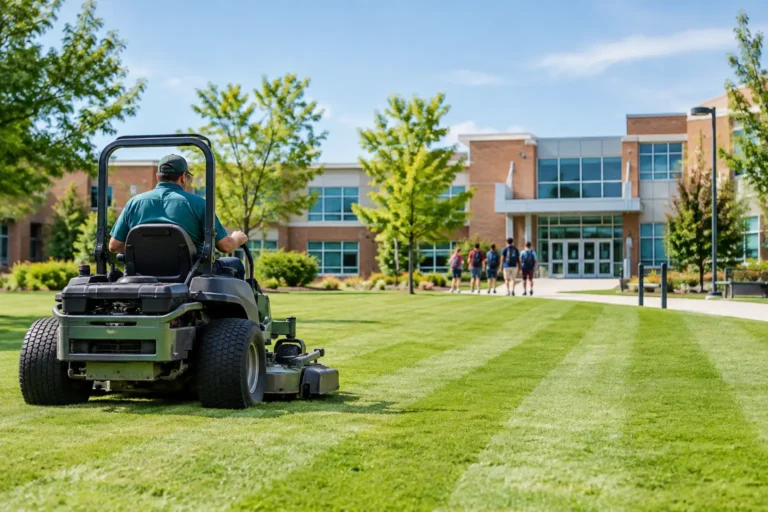
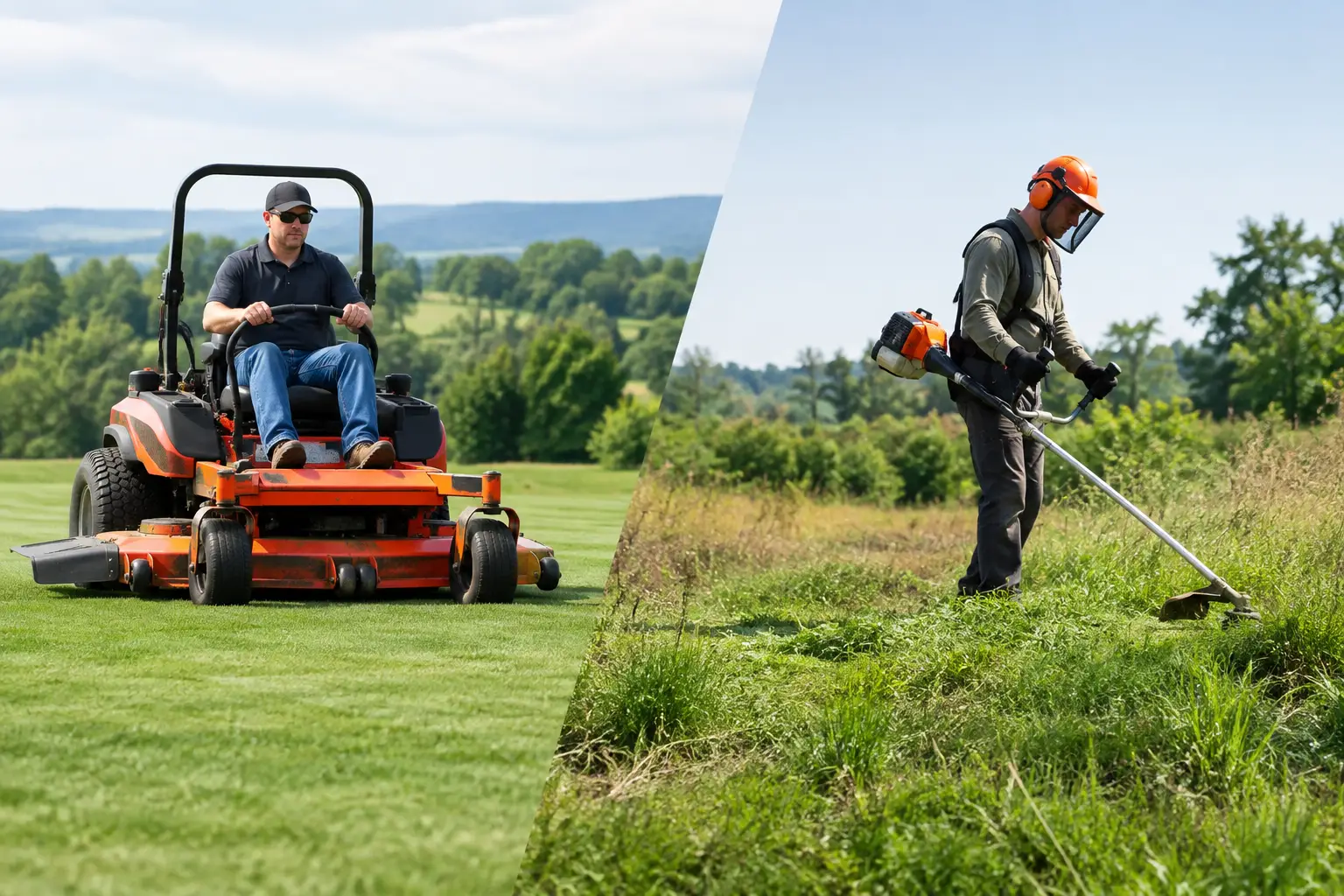
Ride-on mowing uses a mower deck to cut grass at a consistent height. It is designed for properties where the grass is reasonably manageable and where appearance matters. The mower leaves a tidy finish that suits large residential lawns, school grounds, commercial sites, orchards with maintained lanes, body corporate areas, and lifestyle blocks that are regularly looked after.
Slashing uses heavier equipment with blades that cut through taller, denser vegetation. It is intended for grass and light growth that has become too long or too rough for a standard mowing deck. A slasher can make an overgrown area accessible again, but it does not usually provide the close, manicured appearance of a ride-on mow.
Think of ride-on mowing as regular property maintenance and slashing as a heavier reset. Once a site has been brought back under control, ongoing ride-on mowing may be the practical way to keep it that way.
When Ride-On Mowing Is the Better Choice
Ride-on mowing works best when the ground is relatively even, access is suitable, and grass is being cut before it becomes excessively long. It is a reliable option for owners who want their property to look neat rather than simply cleared.
For a large lawn in Omokoroa, a rental property in Tauranga, or a lifestyle block near Te Puna, regular ride-on mowing keeps grass at a manageable height and makes the whole property feel more maintained. It also helps reduce the challenge of tackling a large area after several weeks of growth.
A consistent schedule is especially useful for landlords, property managers, schools, and businesses. Rather than waiting until the grass becomes a problem, planned mowing keeps the site presentable for tenants, visitors, staff, and customers. It also removes one more weekend job for property owners with acreage or large sections.
Ride-on mowing is commonly suitable for:
- Large residential lawns and lifestyle blocks
- Commercial grounds, schools, and body corporate common areas
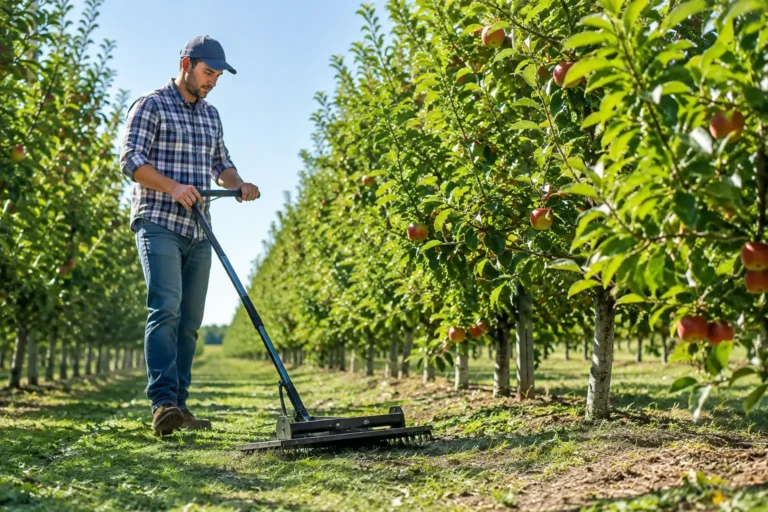
- Orchard lanes and grassed areas with clear access
- Vacant sections that require ongoing tidy-up
- Rural and semi-rural properties with regularly maintained grass
The finish is the main advantage. A properly maintained ride-on mowed area looks even, cared for, and ready to use.
What Ride-On Mowing Needs to Work Well
Ride-on mowing is not the right tool for every site. Very long grass can wrap, clump, or leave an uneven result when cut too low in one pass. Dense weeds, woody stems, hidden debris, steep banks, and rough ground can also affect what equipment can safely do.
Before work begins, it is sensible to assess access, ground conditions, obstacles, slope, grass height, and anything concealed in the growth. This is particularly relevant on vacant land, orchard blocks, and lifestyle properties around Oropi, Pongakawa, and Paengaroa, where conditions can vary from one part of the property to another.
If grass has become too long, a higher initial cut or a separate clearing approach may be needed before routine mowing can begin. This is not a failure of the mower. It is simply matching the equipment to the job.
When Slashing Makes More Sense
Slashing is usually the practical choice when grass is high, thick, and no longer suited to a neat mowing pass. This may happen on a vacant section that has been unattended, a block between tenants, an outer paddock area, or a property that has been difficult to access over winter.
The goal of slashing is to cut back heavy growth quickly and safely. It can reduce tall grass and rough vegetation, improve visibility across the site, and make future maintenance easier. It is often used where presentation is less important than clearing the area and reducing bulk.
However, slashing has trade-offs. The cut is generally rougher, clippings may remain more visible, and the finished area may still need follow-up work if you want a lawn-like appearance. It can be an efficient first step, but it is not always the final step.
For example, an overgrown vacant section in Katikati may benefit from slashing to bring the grass down. Once the area is manageable, regular ride-on mowing can help maintain a tidier result. On the other hand, a rarely used back area of a larger property may only need occasional slashing, particularly if it is not intended to function as lawn.
Consider the Purpose of the Area, Not Just the Grass Height
The best decision often becomes clearer when you ask what the land is used for. A front lawn, shared grounds, school field edge, or customer-facing commercial site usually needs the cleaner finish of ride-on mowing. A rough boundary area, seldom-used section, or long grass awaiting redevelopment may be better suited to slashing.
Frequency matters just as much. Grass that is mowed regularly is easier to keep neat, and regular work can be more predictable than allowing growth to get away. For larger properties in the Western Bay of Plenty, seasonal growth can be fast. A schedule that worked during a dry spell may need adjustment when conditions encourage stronger growth.
Budget is also part of the decision, but the cheapest one-time option is not always the most cost-effective over the year. Letting grass become dense and overgrown can turn a straightforward mow into a more involved job. Regular ride-on mowing can reduce that catch-up work while keeping the property consistently presentable.
Safety and Access Should Come First
Both mowing and slashing require clear access and a careful look at site conditions. Long grass can hide rocks, branches, wire, holes, irrigation components, rubbish, and other hazards. Wet ground can create traction issues and may leave marks on softer lawns. Slopes, narrow gateways, parked vehicles, trees, and low branches can all affect which equipment is appropriate.
A professional service should assess these details before committing to a method. This is particularly important for orchards, acreage, commercial grounds, and properties with multiple grassed zones. One area may be ideal for ride-on mowing while another needs a different approach.
Property owners can help by removing obvious loose items, identifying underground services or irrigation heads, and ensuring gates are accessible. If there are areas you do not want cut, marking them clearly avoids confusion and helps the work run smoothly.
A Practical Maintenance Plan for Larger Properties
Many properties do not need to choose one method forever. The sensible approach may be to slash an overgrown area once, then move to a regular ride-on mowing schedule once grass is under control. Other sites may have a maintained lawn near the house and rougher outer areas that are handled less often.
Prime Ride-On Mowing assesses the grassed area, access, and condition of the site before recommending a suitable approach. For homeowners, landlords, businesses, schools, orchards, and property managers, the aim is straightforward: keep suitable areas neat, tidy, and manageable without wasting weekends on a job that needs larger equipment.
If your grass is already maintained and you want an even, presentable finish, ride-on mowing is usually the right fit. If long grass has taken over, slashing may be the sensible first move. A quick site assessment can clarify the best next step for your property in Tauranga or the wider Western Bay of Plenty, so the work matches the land you have now and the result you want going forward.