
Rural Mowing for Larger Western Bay Properties
A paddock-sized lawn can look manageable from the driveway. Then the grass grows through a wet week, the edges disappear around fences and trees, and a simple Saturday job turns into hours on a mower. Rural mowing gives larger properties a practical way to stay tidy without giving up every weekend. For property owners across Te Puna, Oropi, Te Puke, Paengaroa, Aongatete, Omokoroa, Katikati, Omanawa, Pongakawa, Maketu, Tauranga, and the wider Western Bay of Plenty, regular ride-on mowing can make a noticeable difference to how a property looks, works, and feels.
The right mowing plan is not about making every part of a rural property look like a small suburban lawn. It is about maintaining the grassed areas that matter, at a frequency that suits the site, the season, and how the land is used.
What rural mowing is designed to handle
Rural properties often have a mix of open lawns, entranceways, shelter belts, orchard surrounds, tracks, vacant areas, and grass around sheds or buildings. These areas can be too large for a standard push mower and too detailed to leave unmanaged.
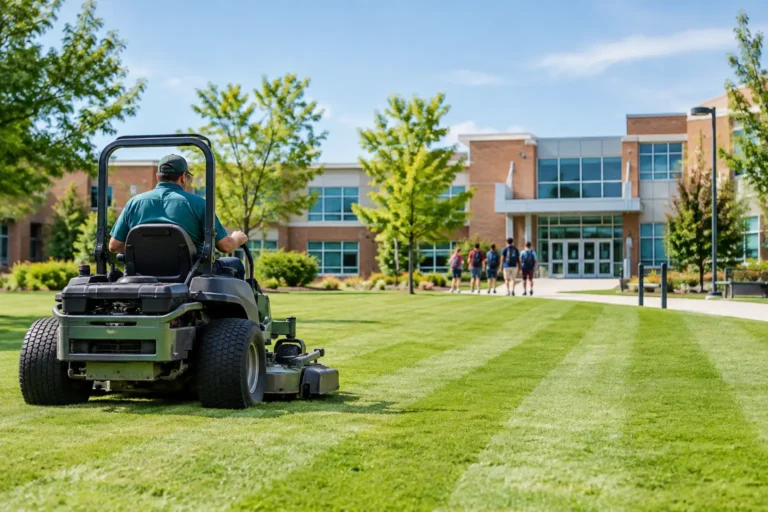
Ride-on mowing is well suited to broad, accessible grassed areas where a clean, even finish is needed. On a lifestyle block, that may mean the lawn around the house, driveway verges, and the open area near a workshop. At an orchard or commercial site, it may include grass between operational spaces, around staff areas, parking zones, or visible roadside boundaries.
The goal is straightforward: keep the maintained parts of the property neat and under control while matching the work to the ground conditions. Long grass, steep banks, wet ground, hidden obstacles, and narrow access can all affect what is practical. A reliable mowing service should assess these details before committing to a schedule or promising a particular result.
Why regular rural mowing saves more than time
The obvious benefit is getting your weekends back. Large lawns and open grounds take longer than most people expect, particularly when the grass has been left through a growth surge. But time is only part of the picture.
Regular mowing helps create clearer, more usable outdoor spaces. It keeps grass around homes, sheds, paths, gates, and shared areas from becoming overgrown. For landlords and property managers, it can also help a property present well between inspections or tenancies. For schools, body corporates, and businesses, consistently maintained grounds give visitors, staff, residents, and families a better first impression.
There are practical benefits too. Keeping grass at a manageable height can make it easier to spot debris, uneven ground, and access issues before they become a bigger problem. It can reduce the visual clutter around fences, structures, and boundaries, which is especially useful on properties with several moving parts.
That does not mean every area needs frequent mowing. Some rural sections are better left longer for drainage, seasonal use, lower maintenance, or the way the land is managed. The useful question is not, “Should every blade be cut?” It is, “Which areas need to stay clear, presentable, and easy to use?”
Choosing the right rural mowing schedule
There is no single schedule that works for every Western Bay property. Growth changes with rainfall, warmth, soil conditions, and the time of year. A lawn that stays tidy for several weeks during a dry spell may need attention much sooner when conditions are warm and wet.
For many larger residential lawns and lifestyle blocks, a regular schedule is the simplest option. It prevents grass from becoming overly long and helps maintain a consistent appearance. Regular visits are also easier to plan around than waiting until the job becomes urgent.
Casual or one-off mowing can be a good fit when a property is being prepared for sale, a tenant is moving in or out, an event is coming up, or the grass has simply got away from you. Vacant sections may only need mowing at selected times to keep them looking maintained and reduce the chance of a neglected appearance.
Commercial properties, schools, orchards, and body corporate grounds often benefit from a set maintenance plan. These sites may have public-facing areas, shared access, or operational requirements that make consistency more valuable than reacting to long grass after it appears.
What to check before booking rural mowing
A good result begins with clear information about the property. Before mowing starts, consider the size of the grassed areas, access for a ride-on mower, ground shape, and any obstacles that may be hidden in the grass.
It helps to let the mowing provider know about irrigation heads, drainage covers, exposed tree roots, low branches, rocks, wire, posts, and changes in terrain. Rural properties can have surprises that are not obvious when the grass is long. Identifying them early protects equipment, improves safety, and helps the operator work efficiently.
Access matters as much as area. A wide, flat lawn may be quick to mow, while a smaller space with tight gates, soft ground, and multiple obstacles may take more planning. If parts of the property are steep or difficult to reach, they may need a different approach from the main lawn areas.
Weather can also affect timing. Mowing saturated ground can leave marks and create a poor finish, so there are times when waiting for better conditions is the sensible choice. That is not a delay for the sake of it. It is part of looking after the lawn and avoiding unnecessary damage.
Rural mowing for different property types
Lifestyle blocks around Oropi, Omanawa, Te Puna, and Pongakawa commonly have large lawns close to the home, along with open grass around sheds, driveways, and boundaries. These areas can become time-consuming quickly, especially for owners balancing work, family, animals, and property maintenance.
Orchards and rural businesses in Te Puke, Paengaroa, Maketu, and Aongatete may need grass maintained around buildings, entrances, work areas, and accessible open spaces. The work needs to fit around site operations, access needs, and the parts of the property that customers or staff see most often.
In growing communities such as Omokoroa, Katikati, and Tauranga, larger residential lots, vacant sections, and shared grounds also need dependable care. Landlords and property managers may need mowing that keeps a site presentable without the need to coordinate the job themselves every time.
The common factor is scale. When the grassed area is too large to tackle easily with a push mower, a ride-on service can make maintenance more realistic and more consistent.
A practical approach to a tidy property
The best rural mowing plan starts with the areas that deliver the most value. That may be the front entrance, the lawn around the house, the route to a shed, a shared common area, or the visible edges of a commercial site. Once those priorities are clear, it is easier to decide whether one-off, casual, or scheduled mowing makes sense.
Prime Ride-On Mowing works with larger lawns and properties across the Western Bay of Plenty, with a focus on practical access, safe operation, and a tidy finish. The service is suited to grassed areas that can be maintained effectively with ride-on equipment, rather than making broad promises for every type of terrain.
If the grass is taking over your free time, start by identifying the areas you want kept consistently clear. A clear description of the site, access, and mowing priorities will make it easier to arrange a free quote that fits the property and the way you use it.