Rough Terrain Grass Mowing for Larger Properties
A paddock edge that has grown high, a sloping vacant section, or an uneven orchard block can turn a simple mow into a difficult job quickly. Rough terrain grass mowing is designed for larger grassed areas where bumps, banks, long grass, and changing ground conditions make a standard lawn mower unsuitable. For property owners across Te Puna, Oropi, Te Puke, Paengaroa, Aongatete, Omokoroa, Katikati, Omanawa, Pongakawa, Maketu, Tauranga, and the wider Western Bay of Plenty, the right approach keeps land looking cared for without giving up another weekend to mowing.
What makes a property rough terrain?
Rough terrain does not always mean steep hills or remote land. It can be any grassed area that is harder to mow safely and evenly because the ground is uneven, the grass is overgrown, access is restricted, or there are obstacles to work around.
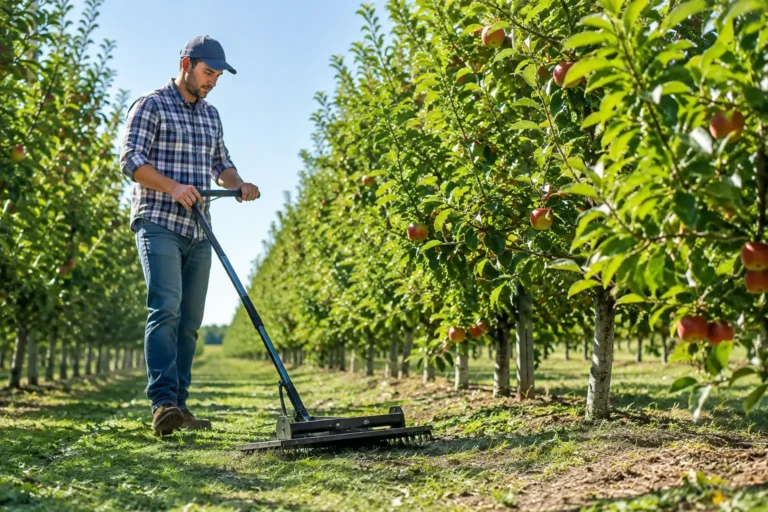
Lifestyle blocks often have a mix of flat open areas, gentle slopes, drainage swales, established trees, fence lines, and rougher boundaries. Vacant sections can hide holes, rocks, old building materials, or long grass that has fallen over after rain. Orchard and commercial sites may have wide grass lanes that need regular attention, along with tighter areas around infrastructure, sheds, and accessways.
The condition of the ground matters as much as the size of the property. A site that is straightforward in summer can become soft, slippery, or rutted after sustained rain. That is why a practical mowing service assesses the site before starting rather than assuming every large area can be treated the same way.
Why rough terrain grass mowing needs a practical plan
The aim is not simply to make the grass shorter. Good mowing should leave the area looking neat and manageable while protecting the ground, equipment, and people nearby.
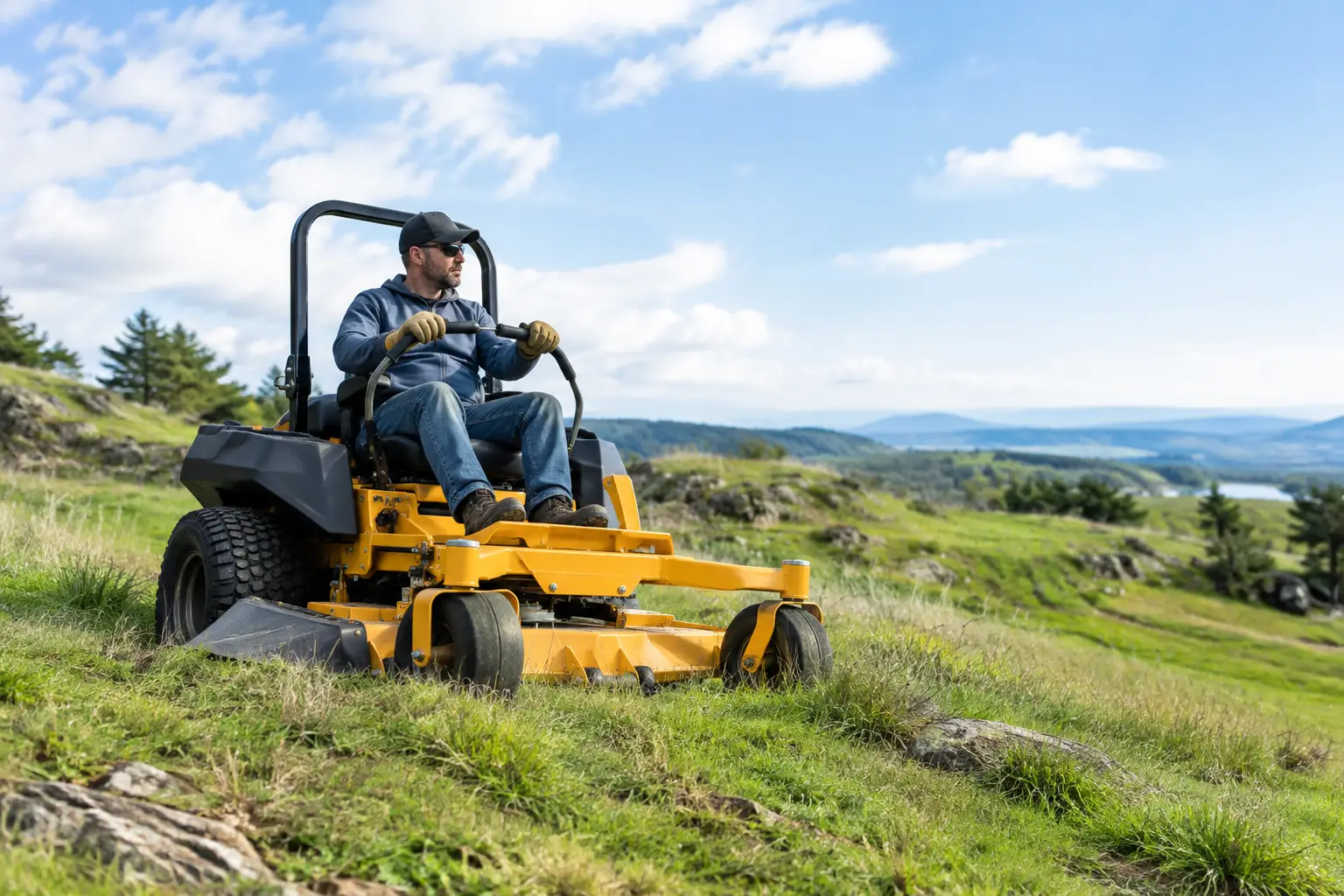
On open, suitable ground, ride-on mowing can cover a large area efficiently and provide a consistent finish. It is often a sensible option for big residential lawns, acreage, school grounds, body corporate areas, commercial properties, and vacant land. But the best method depends on the slope, surface, grass height, access, and obstacles present.
Very long grass may need a more careful first cut than grass that is maintained on a regular schedule. Cutting too much at once can leave clumps behind, make the finish uneven, and put unnecessary strain on machinery. In some cases, a staged approach produces a better result: first bring the growth under control, then establish a regular mowing cycle that keeps it from becoming difficult again.
Wet ground is another important trade-off. Mowing when soil is saturated can damage turf, leave wheel marks, and reduce traction. Waiting for firmer conditions may be frustrating when grass is growing quickly, but it is often the sensible choice for protecting the property and achieving a tidier finish.
What should be checked before mowing begins?
Before rough terrain grass mowing starts, a clear site check helps identify whether the work can be completed safely and what equipment or mowing pattern is appropriate. This is particularly useful for properties that have not been mowed recently or for new clients arranging a one-off service.
Ground conditions and slopes
Uneven ground is not automatically a problem, but it needs to be assessed. Holes, sudden drop-offs, loose soil, boggy patches, and steep banks can change how a mower can operate. The goal is to avoid unstable areas and minimize damage to the ground.
Slopes also require judgment. A gentle, dry incline with good grass cover may be manageable, while a slope that is wet, heavily rutted, or close to a drain, retaining edge, or fence line needs extra care. Safe access always comes before speed.
Hidden obstacles
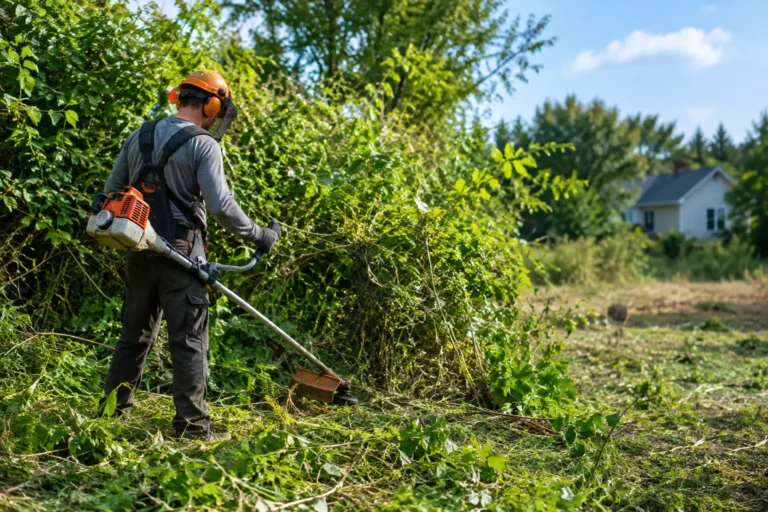
Long grass can conceal items that can damage equipment or create hazards. Rocks, branches, irrigation parts, old wire, stumps, posts, children’s toys, and dumped materials are common examples on larger sections and lifestyle properties.
Property owners can help by removing obvious loose items before the mowing date and pointing out known hazards. If there are areas that should not be mowed, such as newly planted trees, septic components, sensitive drainage areas, or low-hanging irrigation lines, identifying them ahead of time prevents confusion and helps keep the job moving smoothly.
Access and working space
Ride-on mowing is most effective where there is adequate room to enter, turn, and work safely. Gates, driveways, narrow passages, parked vehicles, livestock, and site traffic all affect access. A large grassed area is not necessarily suitable if the route to it is too tight or obstructed.
For commercial properties, schools, and body corporate grounds, timing can be just as important as access. Mowing outside busy periods can reduce disruption for residents, staff, visitors, and students. It also allows the work to be completed with fewer interruptions.
Regular mowing prevents bigger problems
Once grass has become high and thick, every mow takes more time and requires more care. Regular mowing keeps growth at a manageable height, makes it easier to spot changes in the ground, and improves the overall appearance of the property.
For landlords and property managers, this can help vacant sections and shared grounds remain presentable between inspections, tenant changes, or maintenance work. For homeowners and lifestyle block owners, it means less pressure to find time for a major catch-up mow. Businesses, orchards, and schools benefit from grounds that look maintained without staff having to manage large-scale mowing themselves.
The right frequency depends on the season, grass type, rainfall, and how the land is used. During fast-growing periods, a regular schedule may be the easiest way to prevent grass from getting ahead. In slower months, casual or one-off mowing may be enough. There is no single schedule that suits every property, which is why it helps to match the service to the actual condition and use of the site.
When ride-on mowing is the right fit
Ride-on mowing is well suited to larger, open grassed areas where the terrain, access, and surface conditions allow it to be done safely. It can be a practical choice for broad lawns, paddock-style grounds, orchard lanes, roadside-facing sections, commercial land, and shared residential areas.
It is not a promise that every corner of every rough property can be mowed in the same way. Very steep ground, heavily obstructed areas, deep drainage channels, and wet or unstable surfaces may need to be avoided or handled differently. Being clear about those limits is part of a reliable service. It avoids damage, keeps expectations realistic, and ensures the work focuses on the areas where a quality result can be achieved.
Prime Ride-On Mowing provides one-off, casual, and regular scheduled mowing for suitable larger properties throughout Tauranga and the Western Bay of Plenty. Whether the property is in Katikati, Omokoroa, Te Puke, Maketu, or a rural area between, an initial discussion about access, grass height, and terrain helps determine the best way forward.
A tidy property starts before the grass gets out of hand
If a section has become overgrown, it is usually easier to act before another growth cycle makes the job bigger. Clear access where possible, let the mowing contractor know about slopes or hidden features, and arrange an assessment of the areas you want maintained. For larger properties across Te Puna, Oropi, Paengaroa, Aongatete, Omanawa, Pongakawa, and the wider Western Bay of Plenty, a practical mowing plan can keep difficult grass under control and give your weekends back.