Orchard Row Mowing Service for Tidy Grounds
Tall grass between orchard rows can quickly become more than a presentation issue. It can hide irrigation equipment, make routine checks harder, hold moisture around work areas, and leave a property looking less cared for than it should. An orchard row mowing service keeps those grassed lanes neat and manageable, so growers and property owners can spend less time on maintenance and more time running the property.
For orchard owners across Te Puna, Oropi, Te Puke, Paengaroa, Aongatete, Omokoroa, Katikati, Omanawa, Pongakawa, Maketu, Tauranga, and the wider Western Bay of Plenty, regular mowing is a practical part of keeping orchard grounds accessible. Whether the orchard is actively producing, partly leased, being prepared for the season, or simply needs its grassed areas brought back under control, the right mowing plan makes a visible difference.
What an Orchard Row Mowing Service Covers
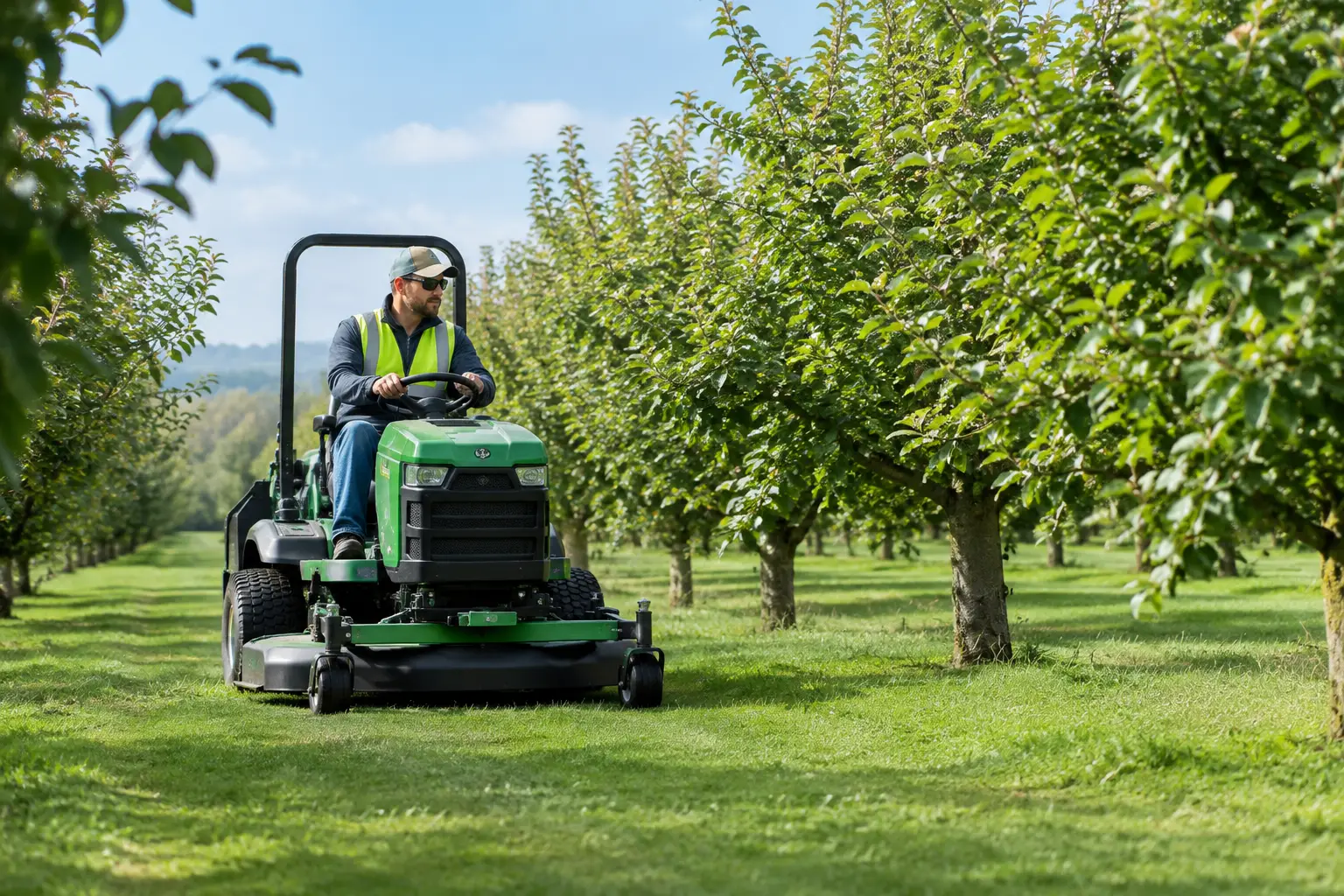
Orchard mowing is focused on the grassed lanes and open areas that need regular attention. These can include the rows between trees or vines, headlands, access lanes, grass around sheds, loading areas, boundaries, roadside edges, and other open sections of the property. Ride-on mowing is particularly useful where there is enough clear space to mow efficiently and consistently.
The aim is not to treat every orchard as identical. Row width, tree spacing, ground conditions, slope, irrigation lines, drains, stock fencing, parked equipment, and low branches all affect what can be safely mowed. Before work begins, the area should be assessed to confirm that ride-on equipment is suitable and that the mowing route can be completed without creating unnecessary risk or damage.
For many growers, this is the straightforward solution to a recurring job that is easy to postpone during busy periods. Grass does not wait for harvest planning, pruning, spraying schedules, deliveries, or staffing demands to ease up. A regular service keeps the work from building into a larger and more time-consuming task.
Why Regular Orchard Row Mowing Matters
Neatly mown rows make it easier to move around the property. Staff, contractors, visitors, and vehicles can see the ground more clearly, find access points, and work around the orchard with fewer avoidable obstacles. It also makes routine inspections simpler, whether someone is checking irrigation, looking for fallen branches, assessing drainage, or carrying out general site maintenance.
Appearance matters too. An orchard entrance, driveway, boundary, or shed area often gives visitors their first impression of the property. Keeping the grassed areas tidy supports a professional presentation, especially for orchards with customers, contractors, packhouse traffic, roadside visibility, or adjoining residential properties.
There is also a practical difference between maintaining grass at a manageable height and waiting until it becomes long, damp, and dense. Overgrown grass can take longer to mow, may require more than one pass, and can be harder to deal with after periods of wet weather. Scheduling mowing before the grass gets away on you is usually the simpler option.
When Ride-On Mowing Is the Right Fit
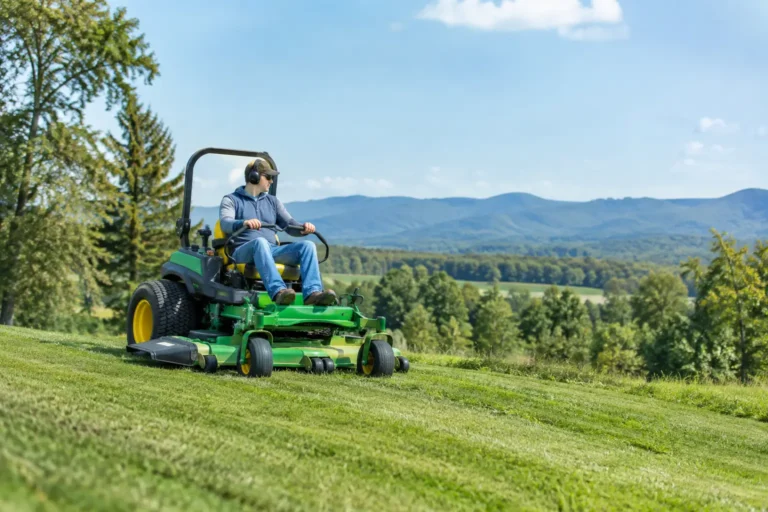
Ride-on mowing is best suited to orchards and larger properties with open, reasonably even grassed areas. It can cover broad lanes and surrounding grounds efficiently, making it a good fit for lifestyle orchards, commercial orchard blocks, leased land, and rural properties with established grass areas.
However, it depends on the site. Very narrow rows, steep banks, rough ground, deep ruts, loose obstacles, low-hanging branches, and wet or boggy conditions may limit where a ride-on mower can operate safely. Areas packed with hoses, temporary lines, bins, machinery, or unmarked hazards also need to be cleared or identified before mowing begins.
This is why a clear site check is valuable. It helps set realistic expectations about what can be mowed, which areas may need a different approach, and whether the property is better suited to one-off work, casual visits, or a regular schedule. Good service starts with matching the equipment and mowing plan to the actual ground conditions.
One-Off, Casual, or Scheduled Mowing
A one-off orchard mow can be useful before an inspection, seasonal work, property sale, tenant changeover, or after grass has grown quickly during a busy stretch. It can bring open areas back to a tidy, usable condition without the owner having to give up a weekend on a large mower.
Casual mowing works well when needs change with the season. Some orchard owners only require help at certain times of year, such as before harvest activity, after extended rainfall, or when regular staff are focused elsewhere.
For many properties, scheduled mowing offers the most convenient result. A planned visit interval keeps grass growth under control and removes the need to repeatedly arrange the same job. The right frequency depends on rainfall, grass growth, the property’s use, and how tidy the grounds need to remain. In the Western Bay of Plenty, growth can be strong through warmer and wetter periods, so intervals that worked in one season may need adjusting in another.
Preparing Orchard Rows for Mowing
A little preparation helps make the visit safer and more efficient. Access gates should be available, and the mowing areas should be free of loose items where possible. Irrigation hoses, pipes, wires, fallen branches, tools, bins, and other obstacles should be removed, secured, or clearly pointed out.
It also helps to let the mowing contractor know about any site-specific conditions before work starts. This might include waterlogged patches, drainage channels, new plantings, uneven ground, sensitive areas, livestock, beehives, vehicle movements, or areas that are not to be mowed. Clear instructions help avoid confusion and allow the operator to plan the work properly.
If weather has made the ground too soft, rescheduling may be the sensible choice. Mowing saturated ground can leave wheel marks, affect traction, and create a poorer finish. Waiting for safer conditions is not a delay for its own sake. It is part of looking after the ground and completing the job responsibly.
A Practical Option for Orchard Owners and Managers
Orchard mowing is not only for owner-operators. Landlords, property managers, businesses, trustees, and tenants may all be responsible for keeping larger grounds presentable and accessible. A dependable mowing service creates one less maintenance job to coordinate, particularly where the person responsible does not live on site or does not have suitable equipment.
Prime Ride-On Mowing provides ride-on mowing for larger grassed areas across Tauranga and the Western Bay of Plenty, including Te Puke, Katikati, Te Puna, Oropi, Paengaroa, Aongatete, Omokoroa, Omanawa, Pongakawa, and Maketu. The focus is on clear communication, practical site assessment, and mowing arrangements that suit the property rather than forcing every site into the same schedule.
A quote can be based on the size of the mowable area, access, terrain, grass height, obstacles, and the frequency required. Providing accurate details from the start makes it easier to determine whether the site is suitable for ride-on mowing and what level of service will deliver the best result.
Keep the Grounds Working for You
Well-maintained orchard rows make everyday property management easier. They support clear access, improve the look of the site, and stop routine grass growth from becoming another job competing for your time. For orchard properties in Tauranga and throughout the Western Bay of Plenty, arranging mowing before the rows become overgrown is a simple way to keep the grounds tidy, practical, and ready for the work ahead.