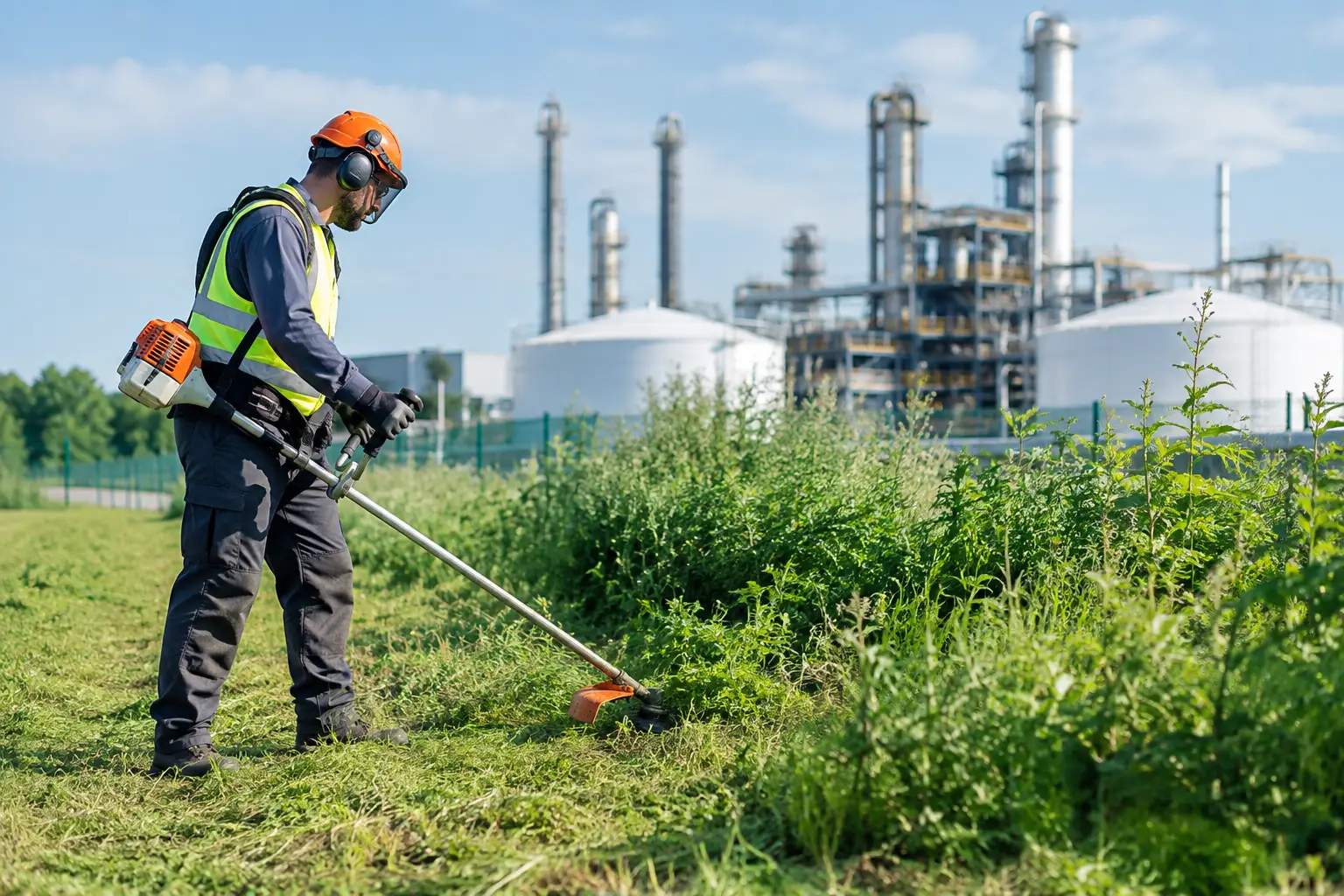
Industrial Site Vegetation Control That Works
A loading yard can look under control on Monday and become a long-grass problem surprisingly quickly after rain and warm weather. Effective industrial site vegetation control keeps the non-working parts of a property from becoming a safety issue, an access problem, or a poor first impression. For businesses and property managers in Tauranga, Te Puna, Te Puke, Katikati, and across Western Bay of Plenty, regular mowing is often the practical starting point.
Industrial and commercial grounds are rarely one simple lawn. They may include wide grass verges, fence lines, storage areas, road edges, drainage margins, vacant land, staff parking surrounds, and areas around sheds or warehouses. Each needs a maintenance plan that suits how the site is used, not a one-size-fits-all mowing schedule.
What industrial vegetation control means on a working site
Vegetation control is about keeping grass and other manageable growth from interfering with the safe, tidy operation of a property. On larger industrial sites, this usually means maintaining grassed areas so they stay visible, accessible, and easier to inspect.
For many properties, ride-on mowing is the most efficient option for open, reasonably level grassed areas. It helps keep broad areas neat without asking staff to spend hours on equipment they may not use often. It also gives site managers a reliable way to prevent grass from becoming overgrown between seasonal maintenance jobs.
The right approach depends on the ground conditions. A flat, open depot lawn is very different from a rough, steep, wet, or heavily obstructed section. Before work begins, the mowing area should be assessed for slopes, drainage, hidden objects, vehicle traffic, soft ground, and access points. Clear expectations make for safer work and better results.
Why regular mowing matters for industrial properties
Long grass does more than make a site look neglected. It can hide rubbish, holes, uneven ground, and objects that may damage machinery or create trip hazards. Around entrances, signs, driveways, and parking areas, overgrowth can also reduce visibility.
A regular schedule keeps the job manageable. Rather than waiting until grass is high and heavy, mowing at sensible intervals produces a cleaner finish and avoids the extra time involved in reclaiming an overgrown area. In Western Bay of Plenty, growth rates can change quickly through spring and summer, while wet periods may affect when ground can safely be mowed.
For a business, school, body corporate, warehouse operator, or landlord, maintained grounds also support the way people experience the property. Visitors, tenants, staff, and contractors notice the approach to a site before they enter the building. Neat grassed areas show that the property is being looked after.
Better access and easier inspections
Some grassed areas are not used every day, which is exactly why they can get missed. Side boundaries, back paddocks, vacant sections, and land around tanks, utility boxes, or storage buildings can become difficult to walk through when mowing is delayed.
Keeping these areas cut makes routine checks simpler. It can help property owners spot dumped materials, fence damage, drainage concerns, or unwanted growth earlier. Mowing does not replace every form of grounds maintenance, but it gives you a clearer view of the site.
A practical part of fire-risk management
Dry, long grass can add to fire risk, particularly around buildings, equipment storage, access routes, and boundary areas. The level of risk varies by site and season, but keeping grass at a sensible height is a straightforward preventative measure.
Mowing should be planned around site activity and conditions. During very dry periods, timing, machinery use, and the presence of debris all deserve extra care. A professional provider should not treat this as a routine job without considering the conditions on the day.
Choosing the right mowing schedule
There is no single mowing frequency for every industrial property. A well-used commercial frontage may need regular attention through the growing season, while a large rear grass area may only need periodic mowing to prevent it becoming unmanageable.
The best schedule considers how quickly the grass grows, how visible the area is, whether vehicles or pedestrians use it, and the finish you need. Properties around Oropi, Omanawa, Pongakawa, and Maketu can have different soil, drainage, and growth conditions from a more central Tauranga industrial yard. Weather also has a major effect.
A regular service is useful where presentation and access matter throughout the year. Casual or one-off mowing can suit a site that has been vacant, recently leased, put up for sale, or allowed to grow out after a busy period. In either case, it helps to agree on the mowing boundaries, preferred grass height, access arrangements, and any areas that should be left alone.
Site conditions that should be checked first
Good industrial site vegetation control starts before the mower is unloaded. A site walk-through or clear discussion helps identify whether the work is suitable for ride-on mowing and where additional care is required.
Key considerations include:
- Ground slope, soft patches, drainage channels, and uneven surfaces
- Rocks, timber, wire, rubbish, low stumps, and other hidden obstacles
- Vehicle movements, delivery times, pedestrian routes, and restricted areas
- Gates, width restrictions, parking, and safe access for mowing equipment
- Areas with utilities, irrigation, planted landscaping, or protected vegetation
These details protect the site, the equipment, and the people nearby. They also help avoid disappointment. Ride-on mowing is highly effective on open grass, but it may not be the right tool for steep banks, dense scrub, tight spaces, or areas covered with debris. Those conditions may need a different method or preparation before mowing can be completed safely.
Keep mowing separate from weed and tree work
The term vegetation control can cover a wide range of work, from mowing grass to removing woody weeds or applying herbicide. It is useful to be clear about what your property actually needs.
Ride-on mowing is ideal for maintaining larger grassed areas and reducing the bulk of regular growth. It is not the same as chemical weed control, arborist work, earthmoving, or clearing heavy scrub. If blackberry, gorse, saplings, or dense vegetation have taken over an area, mowing alone may not solve the underlying issue.
That does not make mowing less valuable. Once a site has been brought back to a manageable condition, regular mowing can help prevent grass from returning to an overgrown state. It is often the maintenance step that protects the time and money spent on an initial cleanup.
Making the work easy around site operations
Industrial mowing should fit around the work happening on the property. For some sites, that means mowing outside delivery windows. For others, it means arranging access with a manager, working around parked vehicles, or completing visible roadside areas before a customer-facing day.
A reliable provider will communicate clearly about timing and access. Letting them know about gate codes, induction requirements, security procedures, pets, temporary hazards, or changes to site activity helps the job run smoothly. Simple information shared in advance can prevent delays on the day.
It is also worth deciding who will check the grassed areas between visits. Staff do not need to mow them, but they can report fallen branches, dumped waste, washouts, or a sudden growth spurt. That makes it easier to adjust the next visit if needed.
A tidy site without losing your weekend
Larger properties do not stay neat by accident. A planned mowing service gives industrial and commercial property owners a straightforward way to keep open grounds presentable without adding another job to the maintenance list.
Whether you manage a depot, an orchard support area, a vacant commercial section, or larger grounds near Paengaroa, Aongatete, Omokoroa, or Tauranga, the goal is simple: grassed areas that are safe to access, easy to inspect, and visibly cared for. Prime Ride-On Mowing can assess suitable larger mowing areas and provide a free quote based on the property, access, and maintenance needs.
A site does not need to look manicured to be well managed. It simply needs a practical plan, safe mowing conditions, and regular attention before long grass turns into a bigger job.