Large Lawn Mowing for Big, Difficult Properties
A large section can look manageable from the driveway, then take an entire Saturday once the grass is wet, uneven, or knee-high. Large lawn mowing is not simply a bigger version of mowing a suburban yard. It involves selecting machinery that suits the ground, planning safe access, managing obstacles, and keeping the work on a schedule that prevents grass from getting away from you.
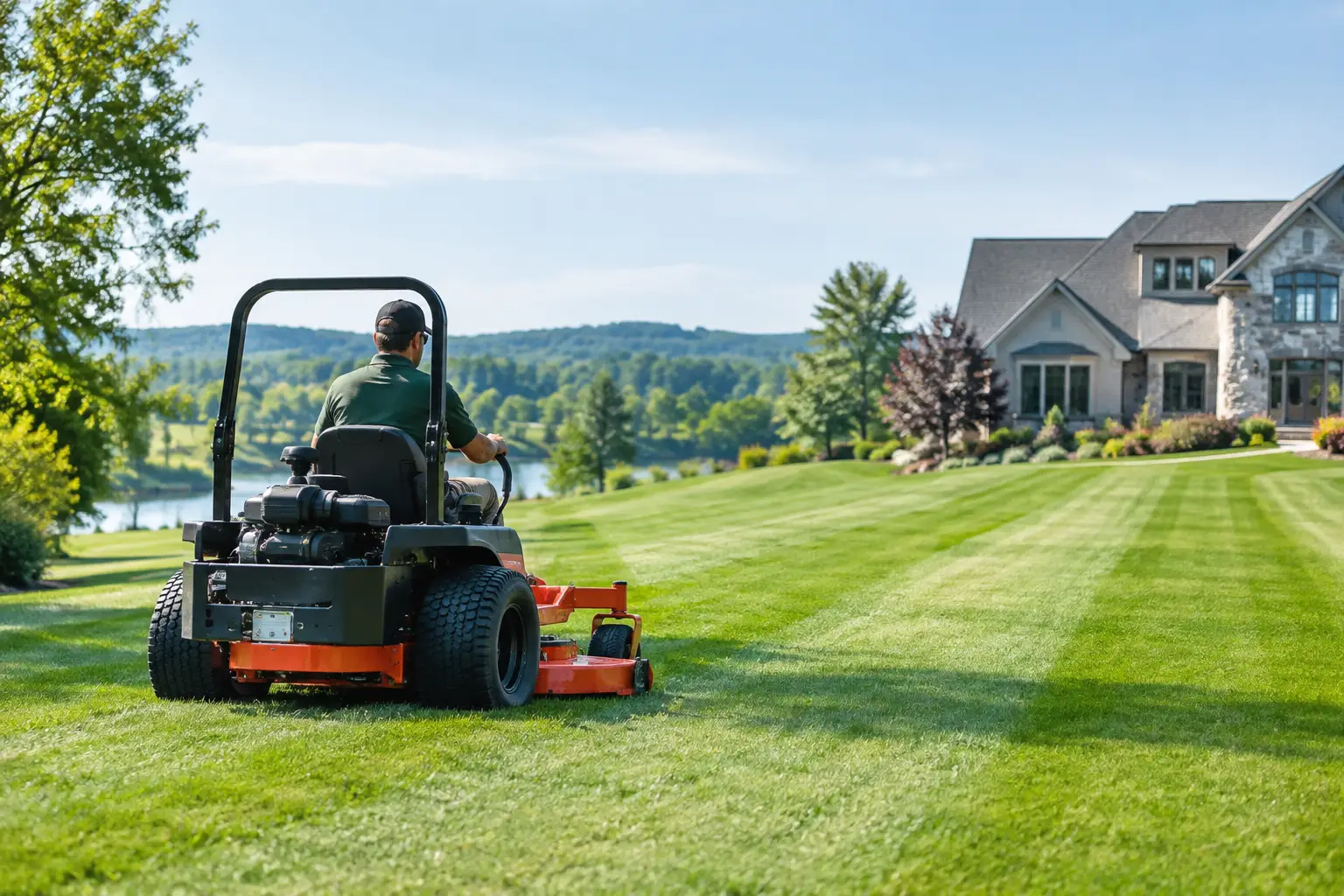
For acreage, lifestyle blocks, orchards, commercial grounds, vacant lots, and larger residential properties, the right approach saves time while delivering a cleaner, more controlled result. It also avoids asking domestic equipment to do work it was never designed to handle.
When Large Lawn Mowing Needs More Than a Lawn Tractor
A standard lawn tractor can be useful on a smooth, regularly maintained area. It becomes less practical when the property has long grass, rough contours, hidden debris, broad paddocks, wet patches, steep sections, or narrow access between orchard rows. Pushing small equipment beyond its intended capability can mean repeated breakdowns, slow progress, uneven cutting, and unnecessary safety risks.
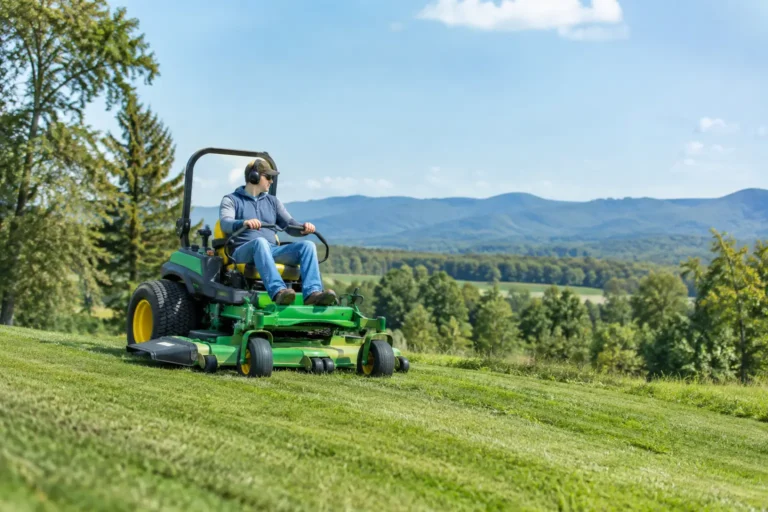
Purpose-built ride-on mowing equipment covers ground efficiently and handles a wider range of grass conditions. That does not mean every large area can be approached in the same way. A flat open paddock, a landscaped retirement village, and an orchard block each require different planning.
The best mowing outcome starts with an honest assessment of the site. Grass height and density matter, but so do slopes, gateways, drainage lines, irrigation, exposed tree roots, fencing, parked vehicles, and the people using the property. A contractor should understand these conditions before confirming the scope, rather than arriving with a one-size-fits-all plan.
What a Proper Site Assessment Should Cover
Large properties often have details that are easy to miss until machinery is already moving. A pre-work assessment gives the operator a clear picture of what can be mowed, where extra care is required, and whether any preparation is needed first.
Access is one of the first considerations. Equipment needs a safe route from the road or driveway to the mowing area, with enough clearance through gates, around buildings, and between trees. On rural and semi-rural properties, soft ground and narrow crossings can also affect when the work should be scheduled.
Terrain is equally important. Slopes, dips, drainage swales, and uneven paddocks can change both the suitable machinery and the direction of travel. Wet grass and damp ground may require a delay, particularly where operating too soon could rut the surface or reduce traction.
Hidden hazards deserve close attention. Long grass can conceal timber, wire, rocks, irrigation components, old fencing, holes, and dumped material. These hazards can damage machinery or become dangerous projectiles. Where a site has been neglected for some time, an initial restoration cut may need to be more measured than ongoing maintenance mowing.
For orchard owners and growers, spacing and protection are central to the job. Machinery needs to work around trunks, irrigation lines, low branches, and established rows without causing avoidable damage. The goal is an orderly, accessible orchard floor, not a rushed pass that creates problems later.
Large Lawn Mowing Is Usually a Scheduling Decision
Many landowners call for help only when the grass has become visibly overgrown. A one-off clearance can quickly improve a property’s appearance, but it is usually the most demanding and time-consuming type of job. Thick, tall grass often needs a slower first cut, and the finish may differ from a lawn that has been maintained consistently through the growing season.
A recurring mowing program is often the better choice for properties that need to stay presentable or accessible. This is especially useful for commercial sites, schools, shared residential grounds, industrial yards, retirement villages, developments, and rental properties. Regular mowing keeps vegetation under control before it interferes with access, visibility, drainage, or the overall impression of the site.
The right frequency depends on grass growth, rainfall, soil conditions, property use, and the standard you need to maintain. During periods of fast growth, longer intervals can turn an ordinary maintenance visit into a heavy-cutting job. In slower seasons, the schedule can often be adjusted. A practical provider will recommend a program based on the property rather than insisting every site needs the same visit cycle.
Choosing the Right Service for Your Property
The main question is not whether the grass is technically mowable. It is whether the work can be completed safely, efficiently, and to a suitable standard with the equipment available. A large open lawn may need a tidy, consistent finish. A rough paddock may be more about keeping growth down, maintaining access, and reducing the risk of grass becoming a fire or pest issue.
For residential acreage, the value is often time. Property owners can stop losing weekends to slow mowing, equipment maintenance, and repeat passes over difficult ground. For landlords and developers, reliable mowing helps keep sites orderly between inspections, building stages, sales activity, or tenant changes.
For facilities and property managers, the priority is usually operational control. Mowing may need to happen around residents, students, staff, visitors, deliveries, or business hours. It should be planned so the grounds remain safe and presentable without disrupting the people who use them.
Industrial and commercial properties need the same practical thinking. Long grass around boundaries, storage areas, car parks, and vacant sections can make a site appear poorly managed and may limit visibility. Regular mowing supports a more professional presentation while helping keep access routes and outdoor areas clear.
Preparing a Large Area Before the Mower Arrives
A little preparation helps work proceed safely and avoids delays. If possible, remove loose items such as hoses, toys, temporary signs, timber, and garden equipment from the mowing area. Mark obstacles that may be difficult to see, including irrigation heads, shallow drains, septic covers, newly planted trees, or low posts.
Let the operator know about known hazards, wet zones, electric fences, locked gates, livestock, or areas that should not be entered. If the site has multiple stakeholders, establish who can provide access and who should be contacted if conditions change on the day.
You do not need to clear every blade of grass or diagnose every terrain issue yourself. That is part of what a professional assessment is for. Clear communication simply helps ensure the machinery, work plan, and expected finish match the site.
Why Equipment Capability Matters
Large mowing machinery is about more than cutting a wide path. It needs the power and stability to work through dense growth, the maneuverability to operate around obstacles, and the durability to handle demanding ground over time. The operator’s experience matters just as much, particularly on slopes, around orchard infrastructure, and in public-facing locations.
There are trade-offs. Heavy equipment may not be appropriate on very soft ground, sensitive turf, or tight landscaped spaces. Extremely overgrown land may need an initial cut with realistic expectations before it can transition into a cleaner maintenance routine. A dependable mowing provider will explain these limits upfront instead of promising a finish the site conditions do not support.
Prime Ride-On Mowing works with landowners and managers across the Western Bay of Plenty who need difficult grassed areas brought back under control and kept that way. The focus is straightforward: assess the property properly, use suitable ride-on machinery, and complete the work with care for the land and the people using it.
If your grass is taking over weekends, limiting access, or making an otherwise well-run property look neglected, arrange a site assessment and free quote before the next growth cycle makes the job larger.