Restoring an Unmanaged Lifestyle Block Safely
A lifestyle block can get away from you faster than expected. A wet season, a busy few months, a tenant moving out, or an inherited property can leave grass chest-high, tracks hidden, and the whole place looking harder to tackle than it really is. Restoring an unmanaged lifestyle block starts by making the work safe and manageable, rather than sending a mower straight into unknown ground.
For property owners across Tauranga and the Western Bay of Plenty, including Te Puna, Oropi, Te Puke, Paengaroa, Aongatete, Omokoroa, Katikati, Omanawa, Pongakawa, and Maketu, ride-on mowing can be a practical first step toward getting larger grassed areas back under control. The right approach depends on the grass height, ground conditions, obstacles, slope, and access.
Start With a Proper Site Check
Long grass hides problems. Before any ride-on mower starts, the area needs to be assessed for hazards that may not be visible from the gate. Old fence wire, rocks, timber, irrigation fittings, fallen branches, drainage channels, and discarded materials can damage equipment or create a safety risk.
A site check should also look at access. A mowing contractor needs a suitable entry point for the mower and enough room to work around sheds, trees, paddocks, orchards, gardens, and boundary fences. Soft ground, steep banks, deep ruts, and wet low-lying areas may need a different plan or may be unsuitable for ride-on mowing until conditions improve.
This assessment is not about making the job complicated. It is how you avoid avoidable damage and make sure the work is completed safely. A clear discussion before mowing begins also gives you a realistic idea of what can be achieved in the first visit.
Restoring an Unmanaged Lifestyle Block Takes More Than One Pass
When grass has been left for a long time, one hard cut is not always the best answer. Thick, overgrown grass can place extra strain on mowing equipment, leave heavy clumps behind, and expose uneven ground only after the first pass. In some cases, a staged approach produces a tidier and safer result.
The first mow may focus on reducing the height of the grass and opening up the property. This makes it easier to see fence lines, tracks, trees, drains, and any areas that need additional attention. A follow-up mow can then improve the finish once the cut material has settled and the ground is clearer.
How many visits are needed depends on the property. A flat, open block with dry grass may be brought back quickly. A block with dense growth, rough terrain, hidden obstacles, or limited access may take longer. Being realistic about these differences is better than promising a perfect lawn finish on ground that has not been maintained for months.
Choose Mowing That Suits the Land
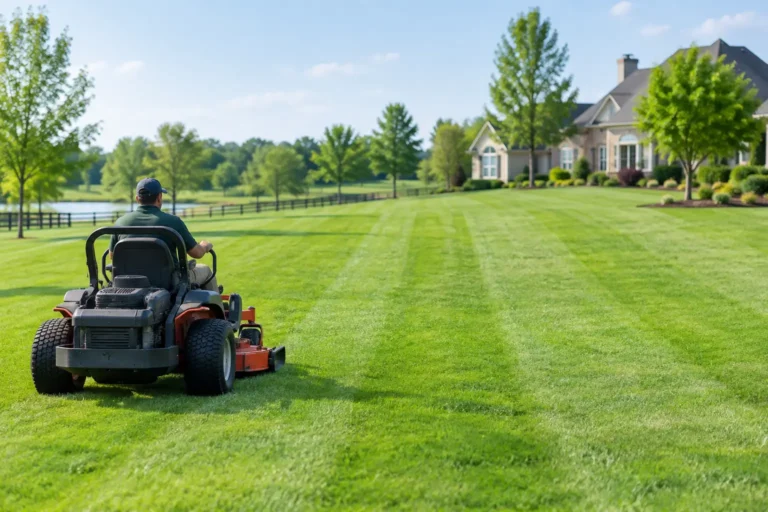
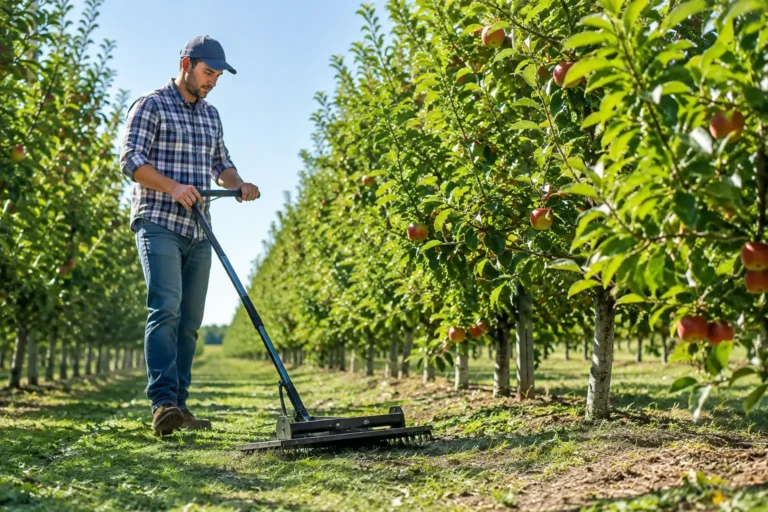
Ride-on mowing is well suited to larger grassed areas, open lifestyle blocks, vacant sections, orchard surrounds, and commercial grounds. It helps cover more ground efficiently than a walk-behind mower and can make regular upkeep far less time-consuming for owners.
However, not every part of a lifestyle block is appropriate for a ride-on mower. Very steep slopes, boggy patches, heavily overgrown scrub, dense woody weeds, or areas filled with debris may need separate work before mowing can begin. Tall grass is one thing. Thick blackberry, gorse, saplings, or hidden rubbish are different site conditions and should be identified early.
It also helps to separate the areas you want maintained. You may only need the house area, driveway edges, paddock-like grass, orchard rows, or a future building site mowed. Defining the usable grassed areas keeps the job focused and helps control the cost. There is no need to mow land that does not need regular attention.
Make Safety Part of the Restoration Plan
An unmanaged block can look untidy, but the bigger concern is often what cannot be seen. Long grass can conceal holes, uneven ground, water meters, culverts, boundary markers, and wire. It can also provide cover for pests and make it difficult to walk safely around the property.
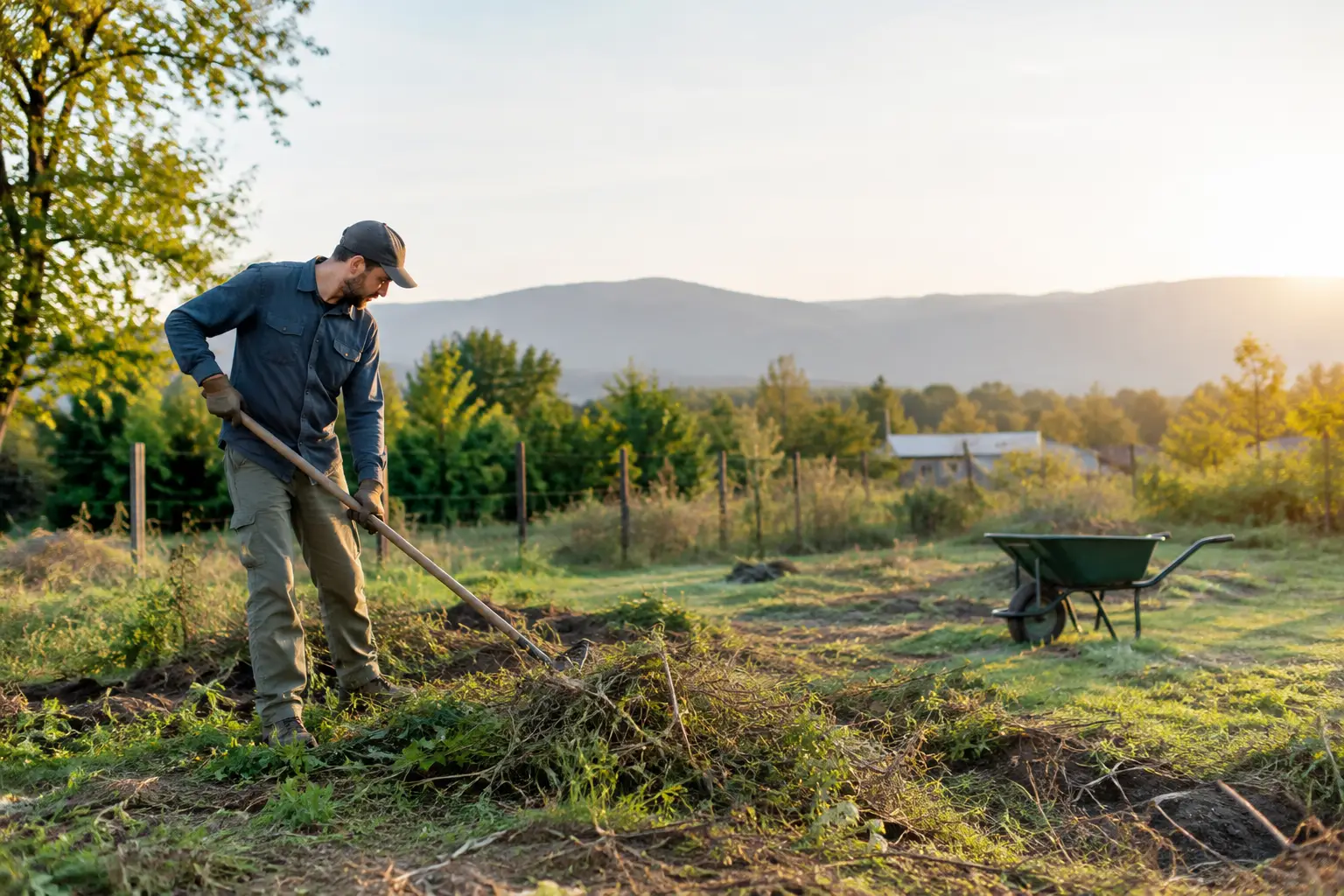
Before mowing day, remove what you can from the grassed area. Move loose hoses, children’s toys, branches, building materials, and any obvious debris. Mark known hazards such as septic lids, irrigation heads, drains, and shallow culverts. If there are gates that need opening or areas that should be avoided, let the mowing operator know before work starts.
If stock are present, move them away from the mowing area. The same applies to pets and vehicles. A clear work area gives the operator room to mow properly and reduces interruptions, while helping protect people, animals, and property.
Turn the First Mow Into Regular Maintenance
The biggest benefit of restoring overgrown grass is not simply how the block looks afterward. It is how much easier the property becomes to manage from that point on. Once the grass is at a workable height, regular mowing helps prevent another major cleanup job.
The best schedule depends on grass growth, rainfall, soil conditions, and how you use the land. During faster-growing periods, a more regular service may keep the house area, accessways, and open lawns tidy. During slower periods, less frequent mowing may be enough. Owners of rental properties, vacant sections, and lifestyle blocks often find that scheduled mowing removes one more task from an already busy list.
Regular maintenance can also help keep access visible for tradespeople, tenants, visitors, and prospective buyers. For landlords and property managers, it supports a more presentable property between inspections. For homeowners, it means weekends can be spent enjoying the block rather than catching up on long grass.
What to Expect From a Professional Ride-On Mowing Service
A reliable mowing service should be clear about what it can mow, what conditions may affect the work, and whether the property is suitable for the equipment. The goal is straightforward: keep large grassed areas neat, tidy, and manageable without asking you to spend hours on a mower.
Prime Ride-On Mowing works with property owners across Tauranga and the Western Bay of Plenty on one-off restoration mowing, casual visits, and regular schedules. This can suit lifestyle block owners in areas such as Te Puna, Oropi, Te Puke, Katikati, and Omokoroa, as well as landlords, orchards, schools, businesses, and body corporates with larger grassed areas to maintain.
Before booking, it helps to describe the size of the area, how long the grass has been left, whether the ground is flat or sloping, and whether there are known obstacles. Photos can also help set expectations for an overgrown site. Good information upfront makes it easier to plan the right equipment, timing, and mowing approach.
Keep the Next Visit Easy
Once an unmanaged block has been cut back, a little preparation makes future mowing simple. Keep gateways accessible, avoid leaving materials in long grass, and let the mowing provider know if new drains, fencing, landscaping, or irrigation have been added. These small steps protect the property and help each service run efficiently.
Getting long grass under control does not need to become a major project. With a sensible site assessment, safe mowing plan, and a maintenance schedule that fits your property, your lifestyle block can become easier to use, easier to inspect, and far more enjoyable to own.