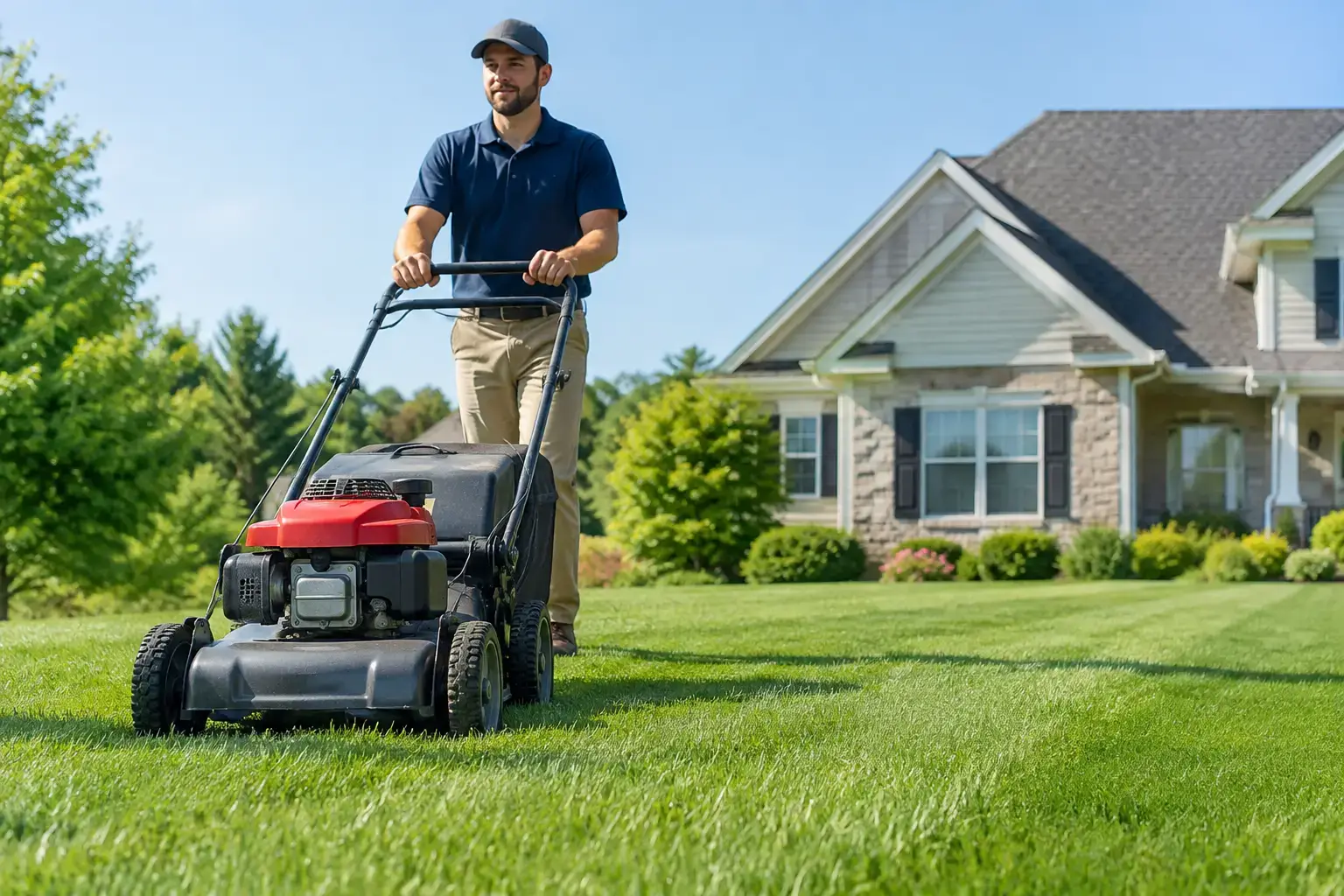
Top Benefits of Regular Property Mowing for Owners
A large lawn can look manageable on Monday and become a time-consuming job by the weekend. The top benefits regular property mowing provides go well beyond a neat appearance: it keeps grassed areas safer, easier to use, and less likely to turn into an overwhelming catch-up job.
For property owners across Tauranga and the Western Bay of Plenty, regular mowing is often the simplest way to protect both the presentation and usability of their land. That applies to a large residential lawn in Te Puna, a lifestyle block in Oropi, an orchard boundary in Te Puke, or shared grounds managed by a body corporate in Omokoroa. When mowing is planned rather than postponed, the whole property is easier to look after.
Top Benefits of Regular Property Mowing
A neater property without the constant catch-up
Long grass can make even a well-kept property look neglected. On larger sections, acreage, commercial grounds, and vacant sites, grass grows quickly enough that waiting until it looks untidy usually means a much bigger job later.
Regular mowing keeps grass at a consistent, manageable height. Paths, fence lines, driveway edges, open lawn areas, and working spaces remain clearly defined. For landlords, property managers, schools, and businesses, that consistency also helps create a positive first impression for tenants, visitors, customers, and staff.
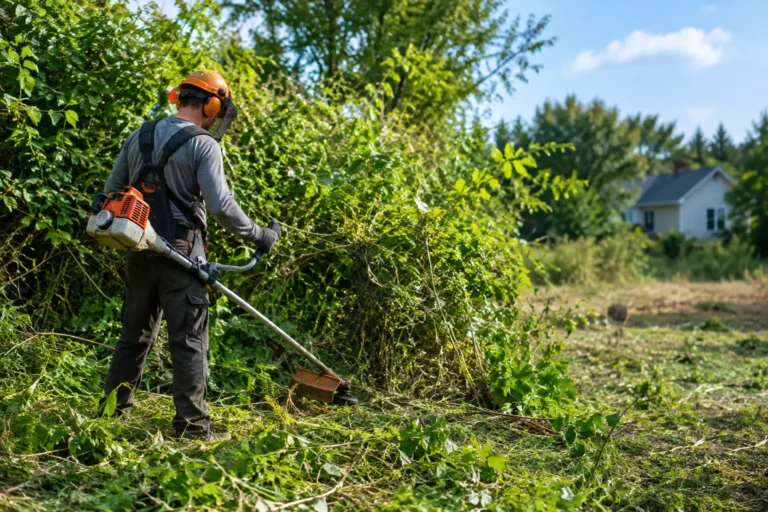
There is a practical difference between maintaining grass and recovering it. Mowing very overgrown areas may require more time, different equipment, and an assessment of hidden hazards before work can begin. A regular schedule avoids much of that disruption and keeps the property looking cared for through changing seasons.
Safer access around larger grassed areas
Safety is one of the most useful benefits of routine mowing, especially where people need to walk, work, park, or move equipment across the property. Long grass can hide uneven ground, holes, fallen branches, rubbish, rocks, irrigation fittings, and other obstacles. It can also make fence lines, drains, and accessways harder to see.
Keeping grass down improves visibility around homes, sheds, gates, playground edges, car parks, orchard rows, and shared grounds. This matters for rural and semi-rural properties in places such as Paengaroa, Pongakawa, Maketu, and Aongatete, where larger sections can include a mix of open lawns, utility areas, and uneven land.
Regular mowing does not remove every property risk. Wet ground, steep slopes, concealed debris, and soft or unstable areas still need to be assessed before ride-on equipment is used. However, a consistent mowing routine makes it easier to spot issues early instead of discovering them when grass is already long.
Healthier-looking grass and more even growth
Grass generally responds better when it is cut regularly and sensibly instead of being taken down dramatically after weeks of growth. Frequent, appropriate mowing encourages a more even appearance and reduces the patchy look that can develop when tall grass bends, mats down, or goes to seed.
The right schedule depends on rainfall, soil conditions, grass type, season, and how the area is used. During periods of strong growth, properties may need more frequent attention. In drier stretches, grass growth can slow, and mowing intervals can often be adjusted. A fixed schedule is helpful, but the best approach is one that reflects what the land is actually doing.
For owners of lifestyle blocks and large residential properties, this helps keep lawns presentable without the pressure of watching the weather and wondering whether the grass will get away from them. The goal is simple: maintain a tidy, usable surface rather than letting a small job become a full weekend project.
Fewer pests and less unwanted cover
Tall, dense grass provides cover for pests and can make it harder to notice weeds, dumped materials, or areas needing attention. Keeping open grassed areas maintained improves visibility around buildings, boundary lines, storage areas, and outdoor living spaces.
This is particularly useful for vacant sections, rental properties between tenancies, orchards with grassed margins, and commercial sites with low day-to-day foot traffic. Regular mowing will not replace weed control, drainage work, or general property maintenance, but it makes those jobs easier to identify and manage.
Where a property has areas that are deliberately left unmown for planting, privacy, or environmental reasons, mowing does not need to be all or nothing. Clear mowing zones can be established so frequently used areas stay tidy while appropriate sections are left alone. The right mowing plan should suit the property, not force every area into the same treatment.
Regular Mowing Saves Time When It Matters Most
For many owners, the biggest benefit is getting weekends back. A ride-on mower can cover larger open areas efficiently, but the work still takes planning, time, fuel, equipment maintenance, and a suitable window of dry weather. If the grass has become long, the task becomes slower and more demanding.
A scheduled service turns mowing into one less job to organize. This is valuable for busy homeowners, landlords who live elsewhere, property managers responsible for multiple sites, and businesses that need their grounds kept presentable without relying on staff to do it themselves.
Prime Ride-On Mowing provides one-off, casual, and regular mowing options for suitable larger grassed areas. A regular service is often the best fit where appearance, access, and reliable upkeep matter throughout the year. One-off mowing can be useful before a property inspection, sale, event, tenant changeover, or seasonal reset, but it is not always the most cost-effective way to manage fast-growing grass over time.
Better planning for commercial and shared properties
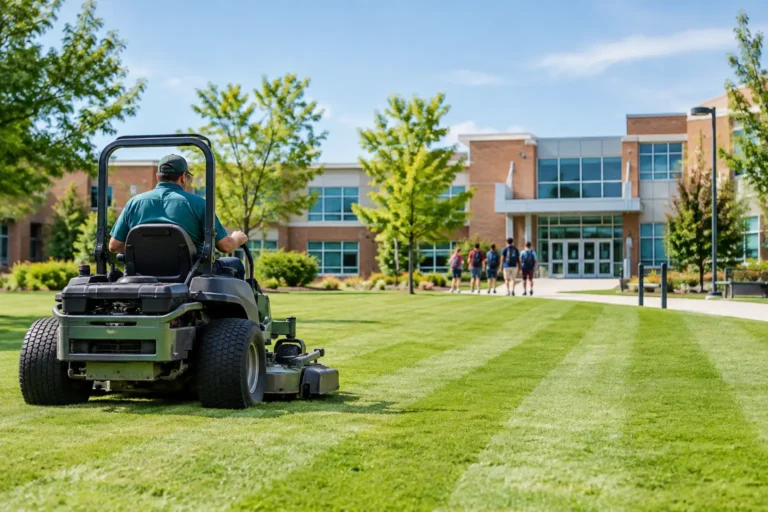
Commercial grounds, schools, body corporate sites, and managed residential developments benefit from predictability. A maintained mowing schedule helps site managers plan around visitors, tenants, school activity, contractors, and routine operations. It also reduces the risk of grounds becoming an urgent issue just before an inspection or important event.
For shared spaces, visible mowing standards can make a real difference to how the site feels. Neatly cut grass around entryways, common lawns, parking areas, and walkways gives people confidence that the grounds are being looked after. It also helps prevent the uneven appearance that can occur when different sections are mowed only when someone finds time.
The schedule should still be realistic. Heavy rain, saturated ground, restricted access, parked vehicles, livestock, or unexpected site activity can affect when mowing can safely take place. Reliable service means communicating clearly and working with actual ground conditions, not promising work that would damage turf or create avoidable risk.
A Practical Fit for Larger Western Bay Properties
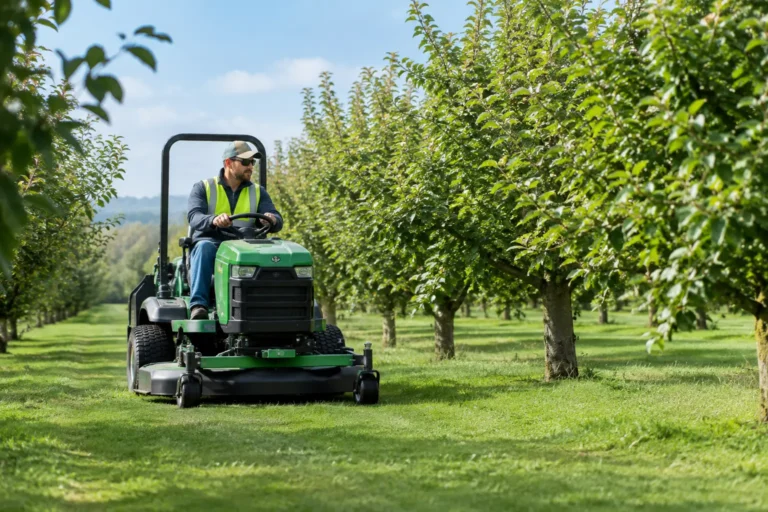
Ride-on mowing is most effective on larger, accessible grassed areas with suitable ground conditions. It can be a practical solution for lawns and open land around Te Puna, Oropi, Katikati, Omanawa, Te Puke, and across Tauranga and the Western Bay of Plenty, where properties often have more grass than a standard push mower can handle comfortably.
Before arranging ongoing mowing, it helps to consider the size of the areas, terrain, slope, gates and access points, obstacles, drainage, and whether the ground stays firm after rain. These details affect the equipment that can be used and the most sensible service frequency. A clear assessment protects the lawn, the equipment, and everyone on site.
Regular property mowing is not about making every blade of grass perfect. It is about keeping difficult grass under control, maintaining safer access, and making the property easier to enjoy or manage. Whether you own a large lawn, a lifestyle block, an orchard, a rental, or commercial grounds, a dependable mowing plan can remove a recurring task from your list and keep the land looking ready for whatever comes next.