Ride On Mowing for Large, Difficult Properties
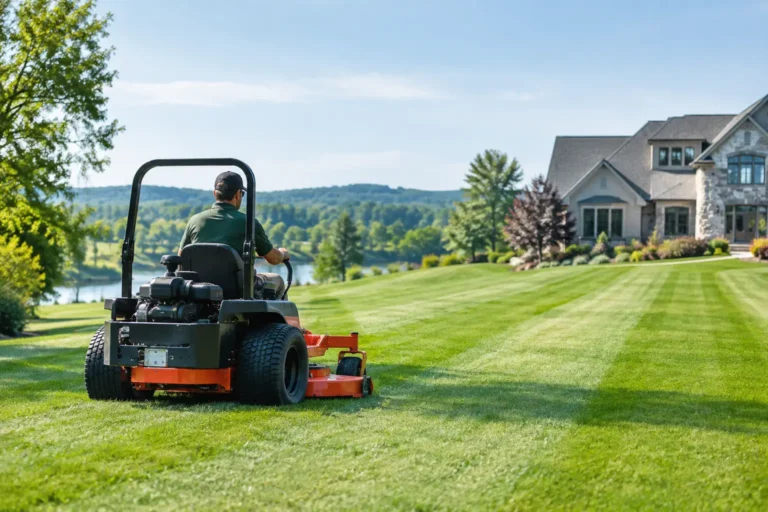
A block that has gone knee-high after a wet spell is not a job for a weekend push mower. Ride on mowing gives large-property owners a practical way to bring long grass, rough ground, and hard-to-reach areas back under control without losing days of their time or pushing domestic equipment beyond its limits.
For lifestyle blocks, orchards, commercial grounds, vacant lots, and large residential sections, the job is rarely as simple as cutting grass. Ground conditions, slopes, access routes, hidden debris, irrigation lines, and the people using the site all affect how the work should be planned. The right mowing approach delivers a visible improvement while protecting the property and keeping operations moving.
When Ride On Mowing Is the Right Fit
Ride-on equipment is designed for areas where a standard lawn mower or small lawn tractor becomes slow, unreliable, or unsafe. This can include a paddock edge that has become overgrown, a large lawn around a facility, a steep or uneven section of a lifestyle property, or an orchard floor that needs regular grass control between rows.
The scale of the area matters, but condition matters just as much. A flat acre of maintained lawn may be straightforward. A smaller site with dense grass, ruts, rocks, fallen branches, or limited turning space can require more planning and a different machine setup. That is why a proper assessment should come before anyone commits to a price or a completion timeframe.
Ride-on mowing is often a good fit for properties with:
- Large lawns, acreage, paddocks, or lifestyle blocks
- Long grass that has outgrown ordinary domestic mowing equipment
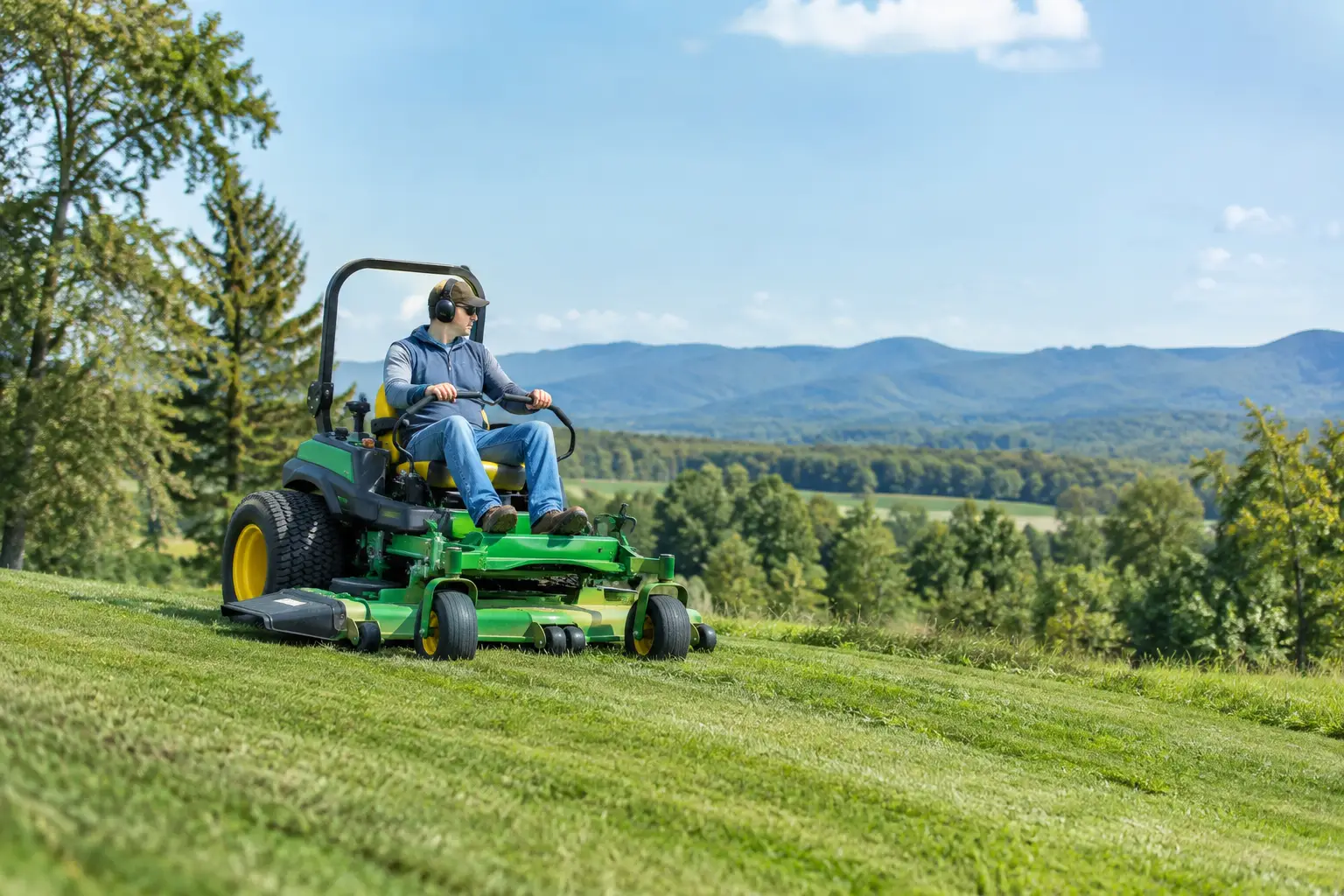
- Rough, uneven, or sloping ground
- Orchard rows, shelterbelts, and grassed access lanes
- Commercial, industrial, school, or shared residential grounds
- Vacant sections requiring clearance before inspection, development, or sale
A professional service is not simply about finishing faster. It is about using machinery suited to the land, identifying risks before work begins, and leaving the site looking controlled rather than roughly cut.
Why Site Assessment Comes Before the First Cut
Long grass can hide more than weeds. Timber, wire, rocks, irrigation components, holes, discarded materials, and changes in ground level are common on undermaintained land. Hitting an obstruction can damage machinery, create a projectile hazard, or stop the job altogether. It can also cause unnecessary damage to the ground or nearby infrastructure.
Before ride-on mowing begins, a contractor should look at access and exit points, the firmness of the ground, drainage, gradient, obstacles, grass density, and where clippings can safely go. On a commercial site, the assessment should also account for vehicle movements, customer parking, delivery times, residents, staff, students, and visitors.
This planning is particularly useful for orchards. Row spacing, low branches, irrigation equipment, tree guards, and sensitive root zones all need consideration. The goal is to control grass without creating avoidable risk to trees, lines, or orchard operations.
The same principle applies to steep or rough sites. Not every slope is suitable for every ride-on mower, especially after rain. A dependable operator will explain when conditions require a different approach, a delay, or additional manual work around tight edges and obstacles. That is not a lack of capability. It is sensible risk management.
Restoration Mowing and Ongoing Maintenance Are Different Jobs
A property that has been left for several months usually needs restoration mowing before it can move onto a regular schedule. Tall, thick vegetation takes longer to process than maintained turf, and it may need more than one pass to achieve a clean result. Wet, flattened grass can also limit what is sensible to cut in a single visit.
Restoration work is about reclaiming the area. It helps improve access, reduce the visual impact of neglected growth, and make it easier to inspect fences, boundaries, drains, irrigation, and structures. For landlords, developers, and property managers, it can also make a site more presentable for viewings, contractor access, or routine inspections.
Ongoing mowing is about preventing the property from reaching that point again. A scheduled program can be planned around the local growing season, the property’s use, and the standard of presentation required. A lifestyle block may need mowing at a different frequency than a retirement village, warehouse frontage, or orchard.
There is no single schedule that suits every site. Grass growth responds to rainfall, temperature, soil condition, and shade. Properties with frequent public use may need a tighter mowing cycle to maintain a neat appearance and clear walkways. A rough paddock may only need periodic control to keep vegetation manageable and reduce the risk of it becoming inaccessible.
What Good Results Look Like on a Large Property
A well-managed grassed area does more than look neat from the driveway. It improves usability. Access tracks are easier to follow, property boundaries are more visible, and maintenance issues are easier to spot before they become expensive problems. Controlled grass also helps a site feel cared for, which matters for tenants, customers, residents, and visitors.
On operational properties, timing can be as important as cut quality. Mowing around school activity, business trading hours, delivery movements, or residential routines requires coordination. The best outcome is work completed with minimal disruption, clear communication, and no surprises for the people on site.
For property managers, reliable documentation and predictable scheduling can reduce administration as well. Rather than chasing a contractor when growth gets out of hand, they can work from an agreed maintenance plan and adjust it when site use or seasonal conditions change.
Prime Ride-On Mowing approaches each property as its own job, rather than assuming every large lawn or rough block can be treated the same way. That practical distinction matters when machinery is operating near buildings, orchard rows, shared spaces, drainage channels, or uneven ground.
Preparing Your Property for Ride On Mowing
A little preparation helps the job run safely and efficiently. If possible, remove loose items from the mowing area, including hoses, tools, children’s play equipment, temporary fencing, and visible debris. Mark known hazards such as irrigation heads, septic covers, shallow drains, or concealed rocks that may not be obvious in long grass.
Clear access is equally useful. Gates should be unlocked, accessways kept open, and any restrictions discussed before the scheduled visit. If the property has animals, staff activity, tenant access, or sensitive areas that must be avoided, say so early. Clear instructions allow the operator to plan the work rather than make assumptions once machinery is on site.
Do not worry if the site is not perfectly prepared. Overgrown land is often overgrown because there has not been time to deal with it. The key is being upfront about what is known, what may be hidden, and what outcome you need from the work.
Choosing a Mowing Provider for Difficult Ground
Price matters, but it should not be the only question. Ask whether the provider has experience with the kind of property you own, whether they assess terrain before confirming the scope, and how they handle wet conditions, slopes, obstacles, and restricted access. For commercial or managed sites, ask how they coordinate around people and normal operations.
It also helps to be clear about the desired finish. Are you looking to reclaim an overgrown section, maintain a tidy presentation, control grass around orchard rows, or keep a large site accessible between other maintenance work? A contractor can recommend a realistic approach when the requirement is specific.
Large grassed areas do not need to consume every free weekend or become a recurring operational headache. Start with an honest assessment of the land, the risks, and how often it needs attention. From there, a practical ride-on mowing plan can keep the property safer, easier to use, and ready for whatever comes next.